How to Prevent Foundation Cracks: A Practical Checklist
You can't stop every foundation crack, but you can stop most of the ones that get worse. Nearly all of it comes down to controlling water around the house.
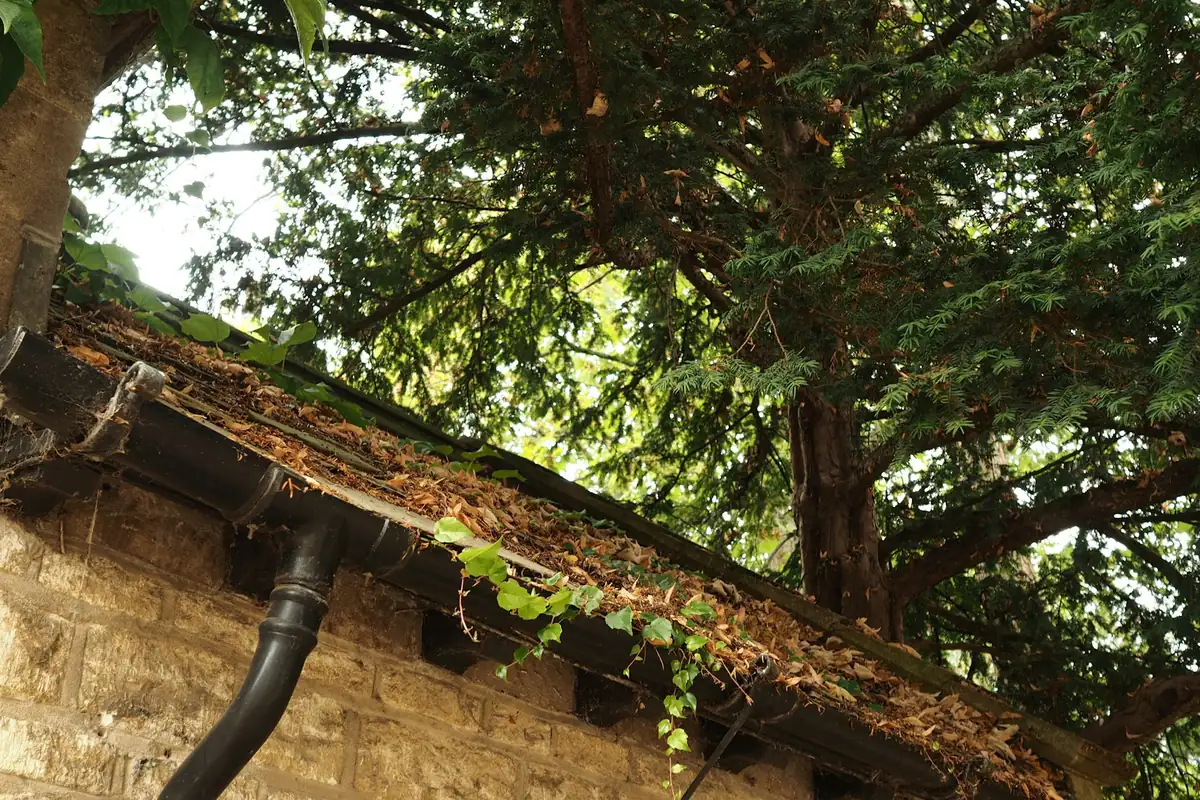
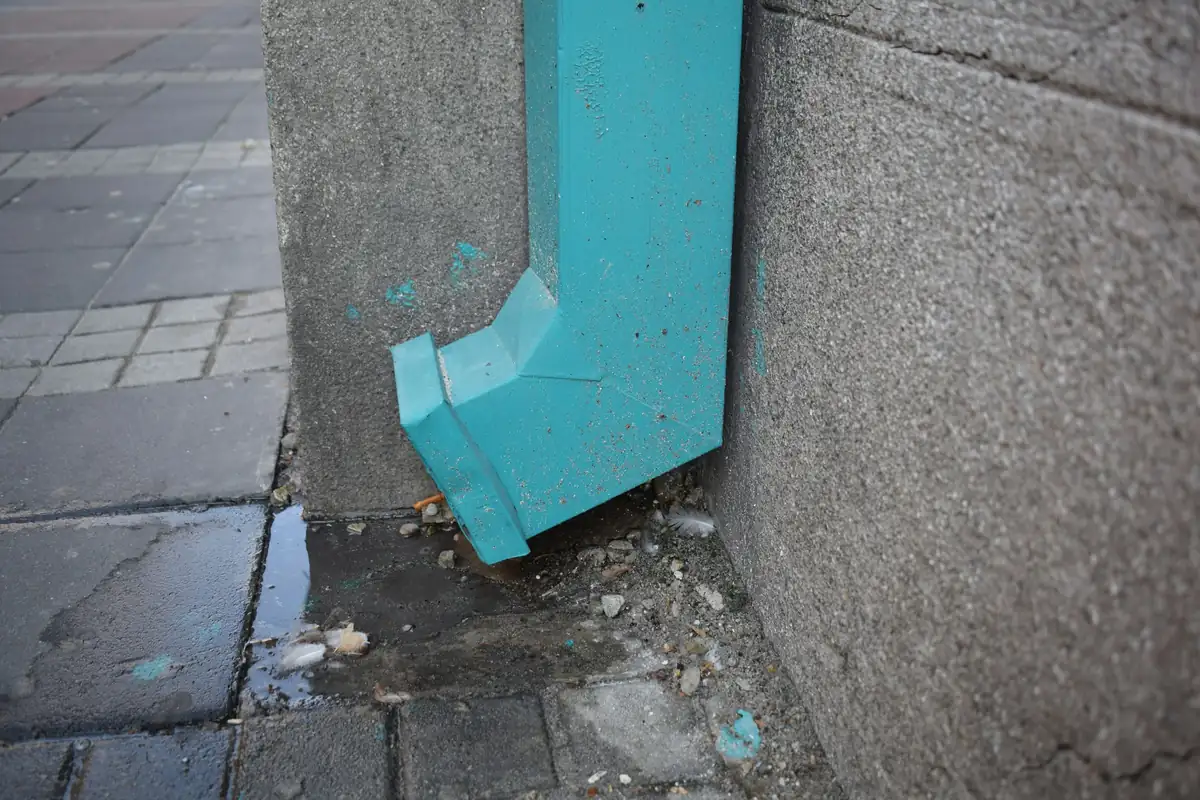
Short answer: keep water away from the foundation. Clean gutters, extend downspouts 4 to 6 feet or more, make the soil slope away from the house, keep soil moisture steady in clay areas, fix plumbing leaks, and seal small cracks before water uses them. Thin shrinkage cracks in poured concrete happen anyway, and that's normal.
What you can and can't prevent
Be realistic first. Poured concrete shrinks as it cures, and that shrinkage often leaves thin vertical cracks in the first year or two. You didn't cause them and you can't stop them. They're very common, and most are harmless. See what normal foundation cracks look like if you're not sure which kind you have.
What you can influence is the soil around and under the house. Soil that gets soaked, then dries out, then freezes, moves the foundation. Saturated soil pushes harder on basement walls. Clay soil swells when wet and shrinks when dry. Every item on the checklist below works by keeping that soil steadier and drier next to the walls.
So prevention here means two things: fewer new cracks from movement, and existing cracks that stay small instead of growing or leaking.
The water checklist
1. Gutters: clean and big enough
- Clean them at least twice a year, more if you have trees overhanging the roof. A clogged gutter spills a whole roof's worth of rain right against the foundation.
- Watch them during a heavy rain. If water sheets over the edge, they're clogged, pitched wrong or too small for the roof.
- Check the seams and corners for drips. Small leaks put water in the same spot every storm.
2. Downspouts: carry water away
- Every downspout should discharge at least 4 to 6 feet from the house. Farther is better where the yard allows.
- Use extensions, splash blocks pointed away from the wall, or a buried drain pipe that daylights downhill.
- If a downspout goes into an underground pipe, run a hose into it once a year. If water backs up, the pipe may be clogged or crushed.
- Look for the telltale sign of a problem: a wet patch, a hollow, or a worn spot in the soil right where a downspout ends.
3. Grading: soil slopes away
- The ground should fall away from the house on every side. A common rule of thumb is about 6 inches of drop over the first 10 feet.
- Soil next to the foundation settles over the years. Add compacted soil (not mulch or sand) to rebuild the slope where it has sunk.
- Keep at least a few inches of foundation visible above the soil and mulch, so water and siding aren't in direct contact.
- Check patios, walkways and driveway edges. Concrete that has tilted toward the house sends water straight to the wall.
After a big storm, walk the perimeter. Puddles that sit against the foundation are the clearest sign that grading or downspouts need work.
Clay soil, trees and steady moisture
In expansive clay soils, the problem isn't only too much water. It's water that swings from very wet to very dry. Clay shrinks and pulls away from the foundation in a drought, then swells in wet months. That repeated movement is a common cause of settlement cracks.
- Aim for steady, not wet. In long dry spells, some homeowners in clay areas water the soil a short distance from the foundation to slow shrinkage. Don't flood it, and don't let sprinklers spray the wall.
- Watch for gaps. A visible gap between the soil and the foundation wall in summer means the clay is shrinking. That's a cue to water more evenly, not more heavily.
- Mind big trees. Large trees pull a lot of moisture from clay soil, which can make the ground under one corner of the house drop. When planting, keep trees well away from the house. A common guideline is a distance about equal to the tree's mature height.
- Don't cut down a mature tree on a whim. Removing a large tree near the house can let the clay swell back over time. If you're worried about an existing tree, ask an arborist and, if there are cracks, a structural engineer.
Roots rarely break a foundation by pushing on it. The bigger effect is drying out the soil. Roots can, however, damage drain and sewer pipes, which then leak into the soil.
Leaks, small cracks and other quiet causes
- Plumbing leaks. A leaking supply line or drain under a slab or beside a basement wall can saturate soil for months without anyone seeing it. Watch for an unexplained jump in the water bill, a damp spot on a slab floor, or the sound of running water when everything is off.
- Outside faucets and irrigation. Check hose bibs for drips and make sure sprinkler heads point away from the house. In cold climates, shut off and drain outside faucets before freezing weather.
- Window wells. Clear out leaves and debris so water drains instead of pooling against the wall.
- Seal small cracks early. A thin crack that lets water in can grow as water freezes in it or washes out soil behind it. Sealing a dry, stable crack with a flexible polyurethane sealant is cheap and simple. Our foundation crack repair guide walks through it.
Don't seal a crack that is growing, wider than 1/4", horizontal, or offset with one side higher than the other. Sealing hides movement. Have a licensed structural engineer look at it first.
A seasonal walk-around
Ten minutes, a few times a year, catches most problems while they're cheap to fix.
| When | What to check |
|---|---|
| Spring | Gutters after winter, downspout extensions still attached, low spots in the soil after the thaw, basement walls for new damp spots |
| Summer | Gaps between soil and foundation in clay areas, sprinkler aim, trees and shrubs growing close to the walls |
| Fall | Gutters after leaves drop, window wells, outside faucets shut off and drained in cold climates |
| After heavy rain | Puddles against the house, water in the basement, overflowing gutters |
On each round, look at any cracks you already know about. Pencil a short line across each end with the date, and measure the widest point. If nothing changes over six months, the crack is likely dormant. If it grows, find out why before you repair it.
When prevention isn't enough
Good drainage protects a sound foundation. It doesn't fix one that is already moving. Call a licensed structural engineer if you see any of these:
- A crack wider than 1/4", or one between 1/8" and 1/4" that keeps growing
- A horizontal crack in a basement wall, or a wall that bows inward
- One side of a crack sitting higher than the other
- Doors and windows that start sticking, or floors that begin to slope
Independent engineers charge for their time and don't sell repairs, so their advice isn't tied to a sale. Repair contractors offering free inspections also sell the fix. If you're unsure where your crack fits, run it through the Crack Checker for a quick verdict.
 Foundation cracksHow to read foundation cracks: vertical, horizontal, diagonal and stair-step cracks, width thresholds,…
 Foundation crack repairHow to repair a foundation crack: polyurethane vs. epoxy injection, a step-by-step DIY method for…
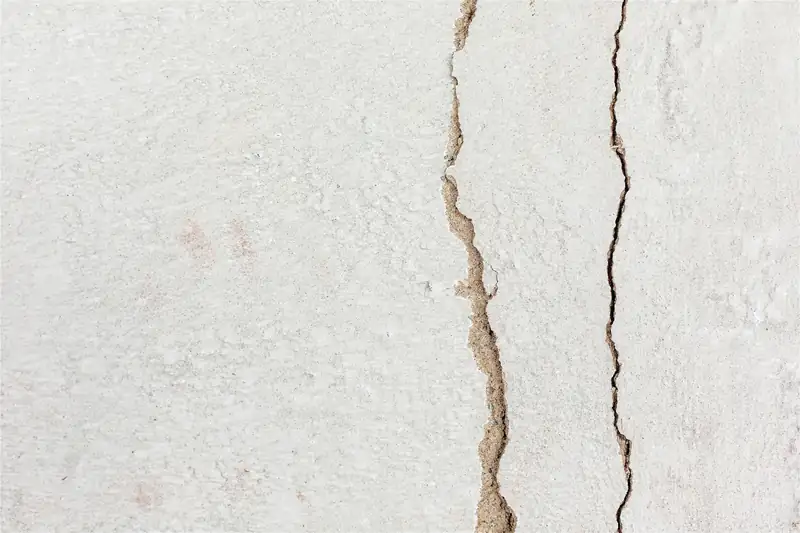 Basement crack repairHow to repair cracks in basement walls and floors: which cracks you can fix yourself, injection vs. patching,…
More from the blog
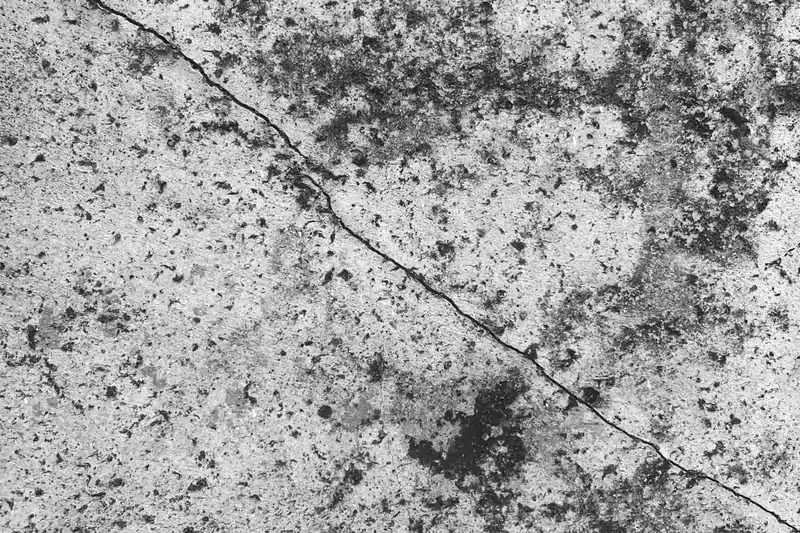 Garage Floor Crack Repair: Diagnose First, Then FixHow to diagnose and repair garage floor cracks, including before an epoxy coating.
 Why Does New Concrete Crack? What's Normal and What Isn'tWhy new driveways, patios and slabs crack, and which cracks are normal versus worth a call.
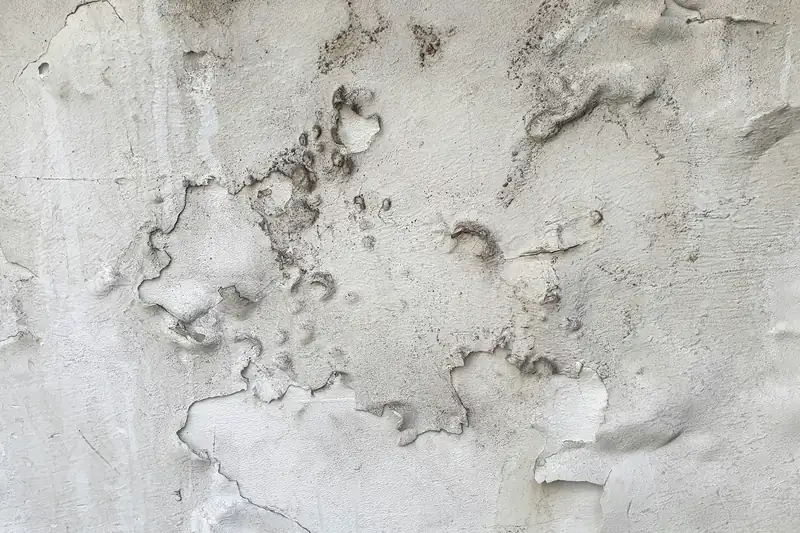 Drywall Cracks That Keep Coming Back: Why, and How to Fix Them for GoodWhy patched drywall cracks reappear, and how to repair them so they stay gone.
Not sure about your crack? The Crack Checker asks four questions and tells you whether to monitor it, fix it or call an engineer.