Drywall Cracks That Keep Coming Back: Why, and How to Fix Them for Good
A drywall crack that returns after you patch it usually means the wall is still moving a little, or the first repair only hid the crack. Tape, the right compound, and flexible caulk at moving joints fix most of them for good.
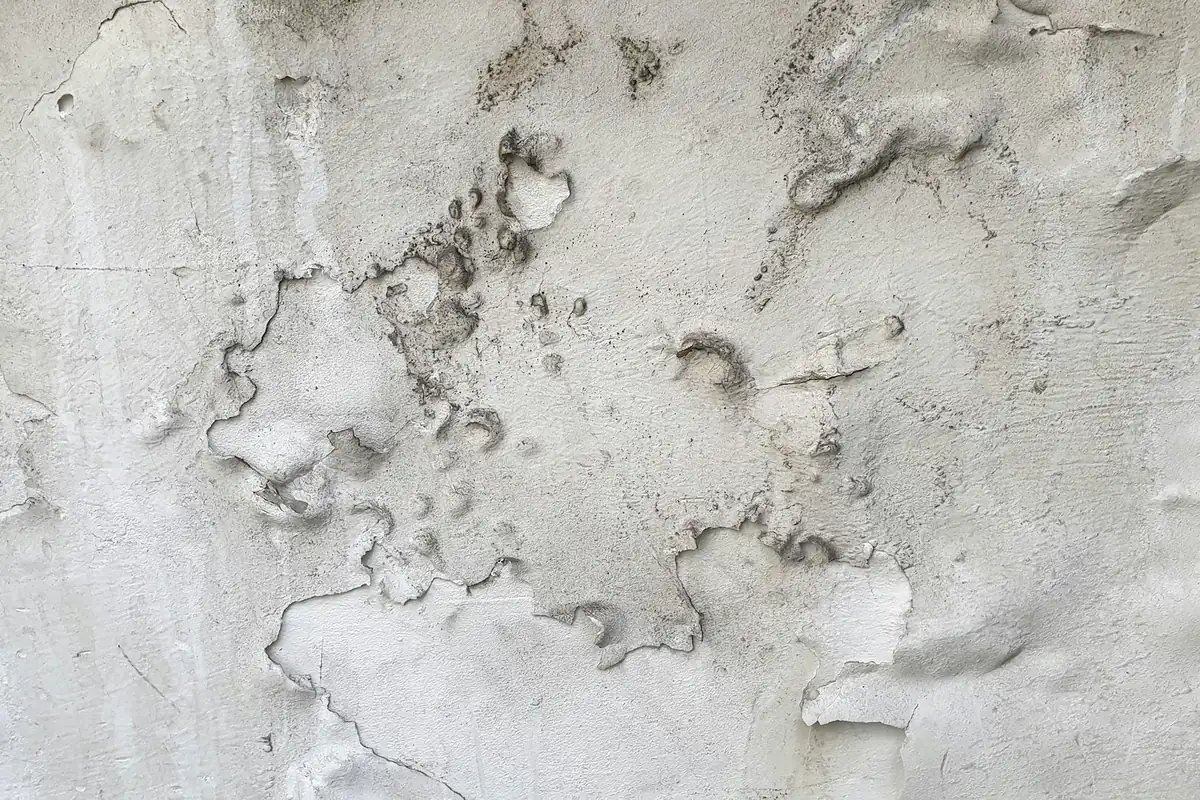
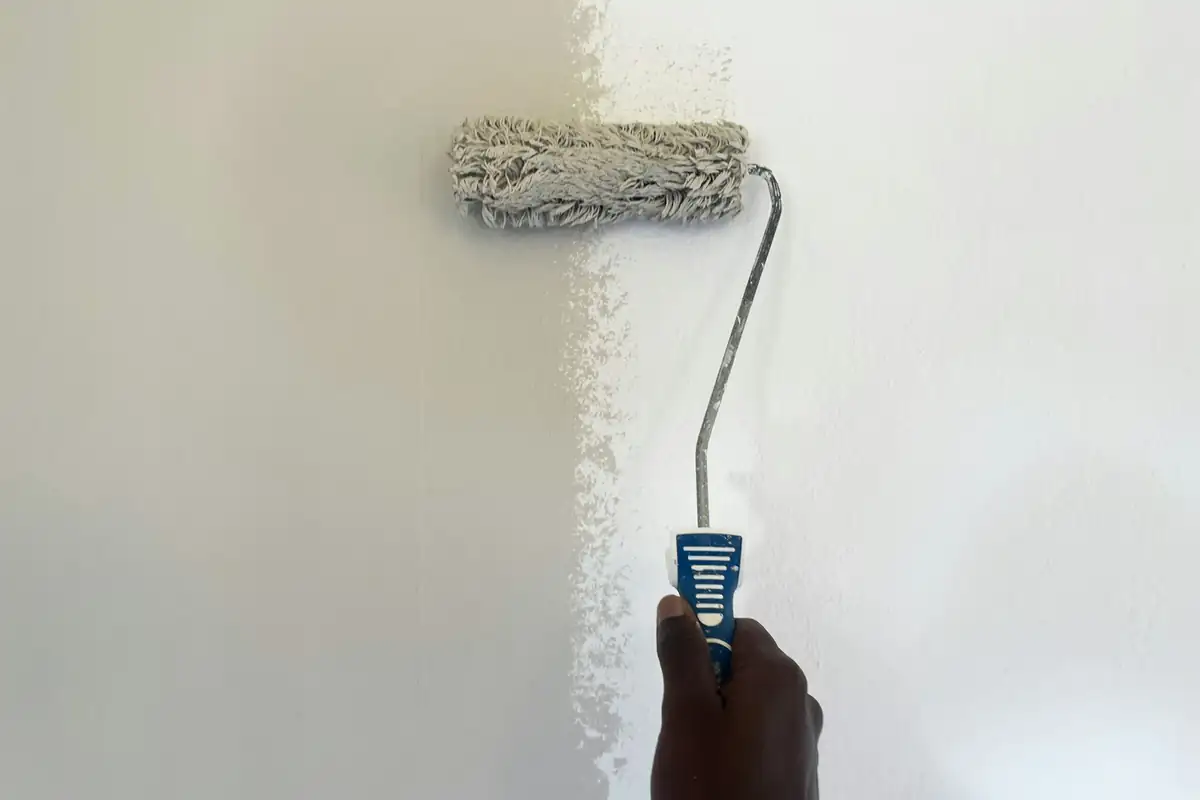
Short answer: Most drywall cracks come back because the house still moves with the seasons and the patch was rigid filler with no tape behind it. Cut the crack open, bridge it with mesh or paper tape, use a setting-type compound, and use flexible caulk where the wall meets the ceiling. If cracks keep growing past about 1/8", or doors start sticking, have the structure checked.
You filled the crack, sanded it, painted it, and it looked perfect. A few months later the same line is back, sometimes in exactly the same spot. That's frustrating, but it's also useful information. A crack that returns is telling you something about why it formed in the first place.
Why patched drywall cracks reappear
Drywall itself rarely fails. Cracks show up where the sheets meet, at corners, and above doors and windows, because those are the spots where the framing behind the wall moves most. If the cause is still active, any repair that can't move with it will crack again.
Seasonal movement
Wood framing takes on moisture in humid months and gives it up when the heat is running. The studs, plates and headers swell and shrink slightly, and the drywall joints open and close with them. A crack that shows up every winter and fades in summer is almost always this.
Truss uplift
In many houses with roof trusses, the bottom of the truss arches upward a little in cold weather. It lifts the ceiling away from interior walls and opens a crack right at the wall-ceiling corner. It's normal, harmless, and impossible to stop with joint compound alone.
Poor taping
Joints taped with too little compound under the tape, or tape that was never fully bedded, slowly lift and crack. You may see a straight crack running along a seam, sometimes with the tape edge visible or bubbling.
Settlement
Houses settle, especially in the first few years. Diagonal cracks from the corners of doors and windows are the classic sign. Most settlement slows down and stops, and the cracks stay thin.
Filling with spackle only
This is the most common reason a repair fails. Many products sold as wall crack filler are lightweight spackle, and spackle or premixed compound pushed into a crack on its own has almost no strength across the gap. The next time the wall flexes, the crack simply reopens through the filler. Without tape bridging the crack, there's nothing holding the two sides together.
How to fix a drywall crack so it lasts
The fix is to bridge the crack, not just fill it. This works for seam cracks, corner cracks and the diagonal cracks above doors.
- Cut it out. Scrape off the old patch and any loose paper or compound. Open the crack into a shallow V with a utility knife so new compound has something to grip.
- Secure loose drywall. If the sheet moves when you press on it, add a drywall screw on each side of the crack, into the framing, and dimple the heads just below the surface.
- Fill the gap with setting-type compound. This is the powder you mix with water, sold by its working time (often labeled 20, 45 or 90 minutes). It hardens by chemical reaction rather than drying, so it shrinks less and is stronger than premixed compound.
- Tape it. Use self-adhesive fiberglass mesh tape, or paper tape pressed into a bed of compound. Paper tape is stronger on inside corners and seams; mesh is easier on flat cracks. Mesh tape should be covered with setting-type compound, not just premixed.
- Apply two or three thin coats. Feather each coat wider than the last, letting each one set or dry fully. Thin coats crack less than one thick one.
- Sand, prime and paint. Primer matters: paint straight over compound often looks dull and shows the patch.
For the full step-by-step on different wall types, including plaster and brick, see our guide to cracks in walls.
The wall-ceiling crack: use flexible caulk instead
If the crack runs along the top of an interior wall, opens in winter and closes in summer, assume truss uplift. Taping it just moves the crack an inch over, because the ceiling and wall genuinely move relative to each other.
- Flexible caulk: Clean out the crack, then run a bead of paintable, flexible acrylic or siliconized acrylic caulk into the corner and tool it smooth. It stretches as the gap opens. Do this in winter, when the gap is widest, if you can.
- Crown molding: A molding nailed only to the ceiling (not the wall) rides up and down with the trusses and hides the gap completely.
Our ceiling cracks guide covers the other ceiling patterns, including the ones that need faster action.
When recurring cracks point to a foundation issue
Most returning drywall cracks are cosmetic. But a crack that keeps coming back and getting wider is different from one that comes back the same size every winter. Watch for these:
| You see | What it usually means |
|---|---|
| Hairline crack, under 1/16", returns seasonally | Normal framing movement. Cosmetic. |
| Crack 1/16" to 1/8" that returns at the same width | Common settlement or poor taping. Repair with tape and setting compound. |
| Crack 1/8" to 1/4", or wider each time it returns | Ongoing movement. Have it inspected. |
| Crack wider than 1/4", one side sticking out past the other, or a sagging ceiling | Possible structural problem. Call a structural engineer. |
Other signs that the cause is below the wall rather than in it:
- Doors or windows nearby that have started to stick or won't latch
- Several new cracks appearing in a short time, often on the same side of the house
- Floors that slope noticeably
- Matching cracks in the basement or foundation walls under the same area
Before you patch again, mark the ends of the crack with a pencil and write the date, then measure the width. Check it monthly. If it grows past the marks or widens, you have your answer.
If the crack is wider than 1/4", displaced, growing fast, or comes with sticking doors and sloping floors, stop patching and have a licensed structural engineer look at it. Independent engineers don't sell repairs, so their only job is to tell you what's happening. Start with the Crack Checker if you're not sure where your crack falls.
A quick checklist before your next repair
- Note when the crack appears. Same season every year points to framing movement or truss uplift.
- Measure and mark it, so you can tell whether it's growing.
- Remove the old filler completely; don't skim over it.
- Tape every crack, use setting-type compound for the first coat, and keep coats thin.
- Use flexible caulk or ceiling-only molding at the wall-ceiling joint.
- If it returns wider, stop and get the structure checked before patching again.
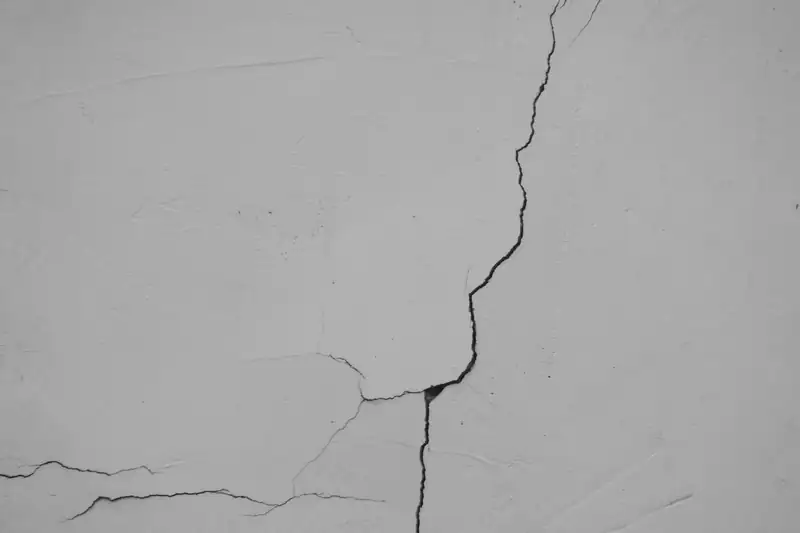 Wall cracksVertical, horizontal, diagonal and stair-step cracks in drywall, plaster, brick and stucco walls: what each…
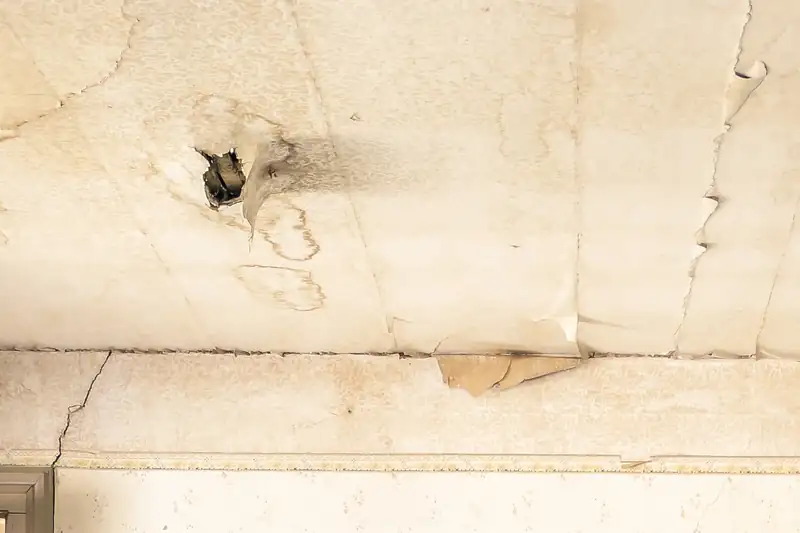 Ceiling cracksWhat ceiling cracks mean: hairline, spiderweb, drywall seam and wall-ceiling cracks, warning signs like…
 Foundation cracksHow to read foundation cracks: vertical, horizontal, diagonal and stair-step cracks, width thresholds,…
More from the blog
 Stair-Step Cracks in Brick and Block Walls: When to WorryWhat stair-step cracks in brick and block walls mean, how to judge them, and when it's time for an engineer.
 Who Fixes Foundation Cracks? Who to Call FirstEngineer, foundation contractor or waterproofer? Who to call about a foundation crack, and in what order.
 Pool Deck Crack Repair: Fixing Cracks in a Concrete Pool DeckWhy concrete pool decks crack, how to seal them so the repair lasts, and when it's a job for a pro.
Not sure about your crack? The Crack Checker asks four questions and tells you whether to monitor it, fix it or call an engineer.