Basement Wall Crack Repair
Basement cracks are usually more of a water problem than a structural one. Here's how to deal with cracks in basement walls and floors.
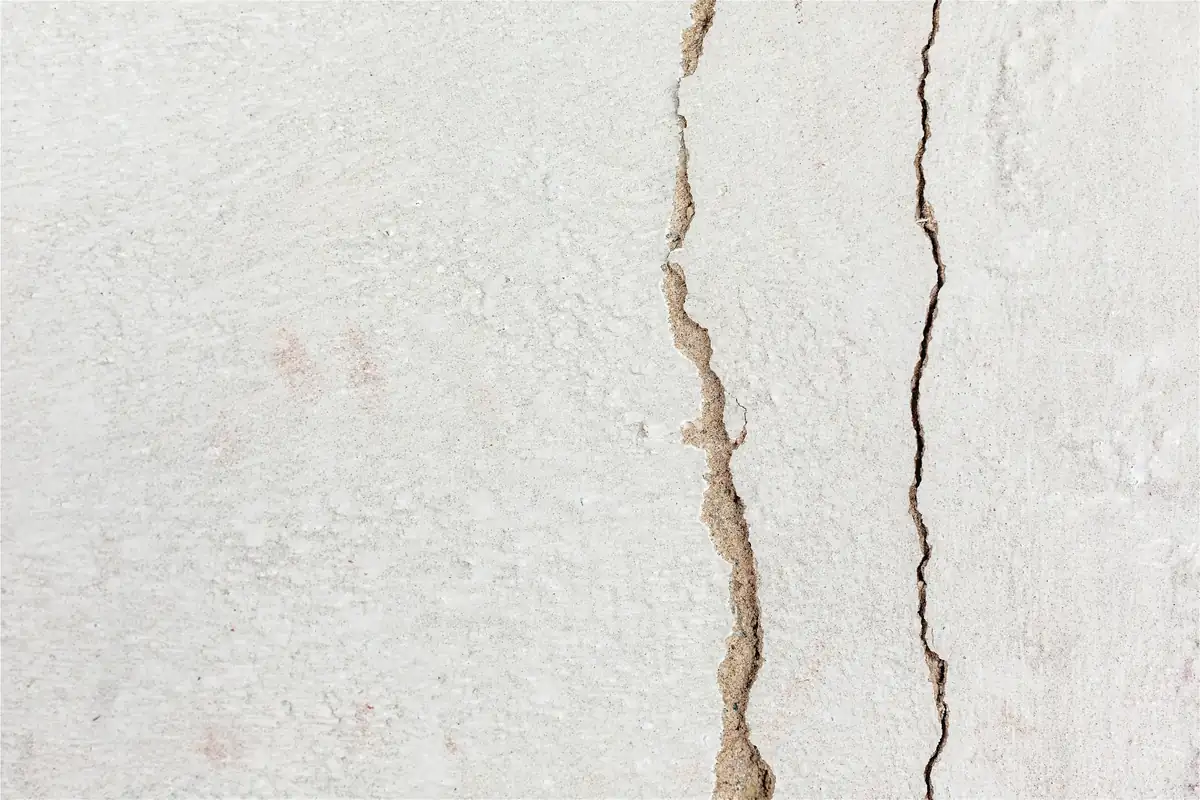
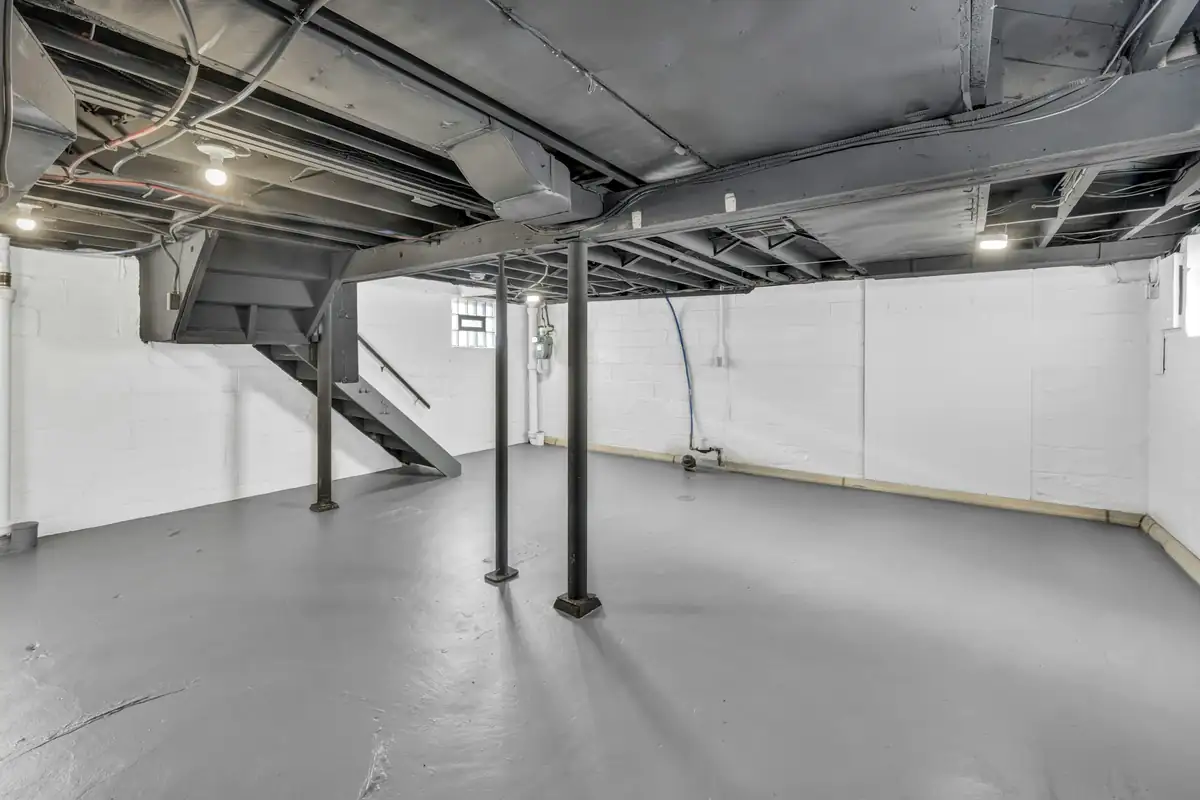
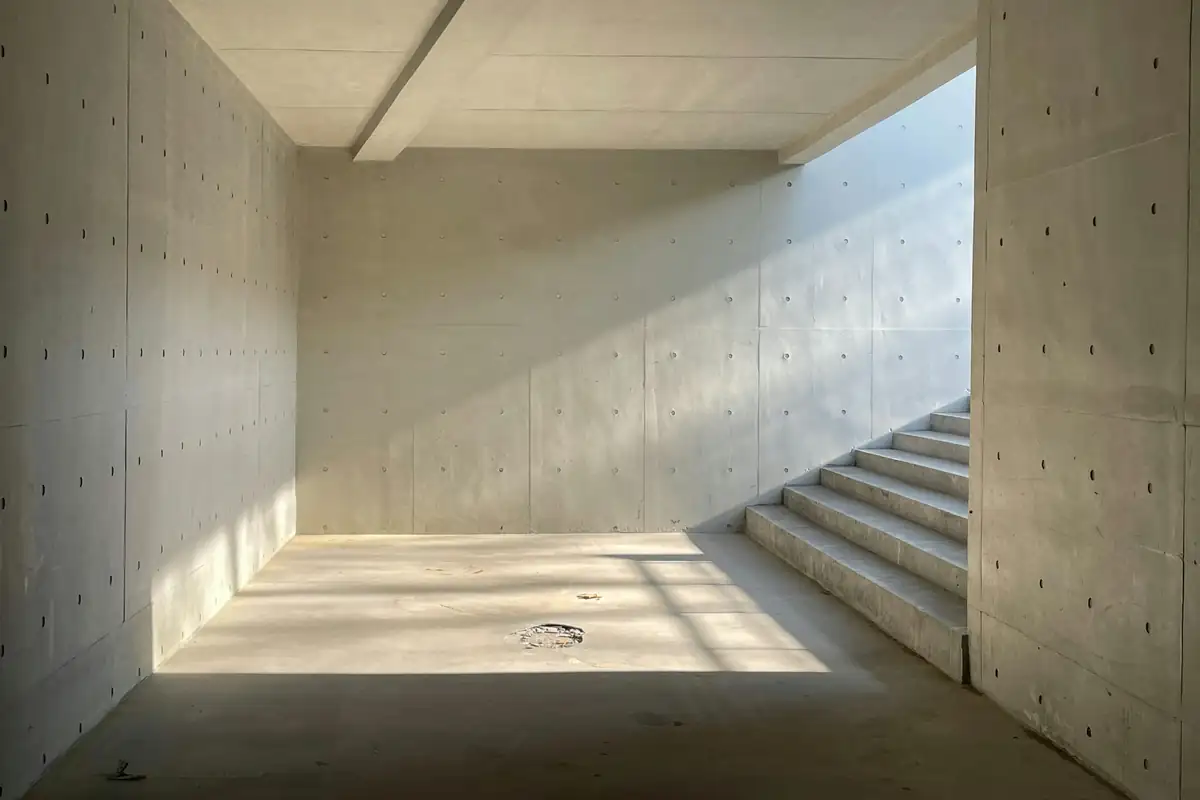
Diagnose before you repair
| Crack | Usually | Repair |
|---|---|---|
| Thin vertical crack in a poured wall | Shrinkage | DIY polyurethane injection if it leaks |
| Diagonal crack from a window corner | Minor settlement or shrinkage | Monitor, inject if it leaks |
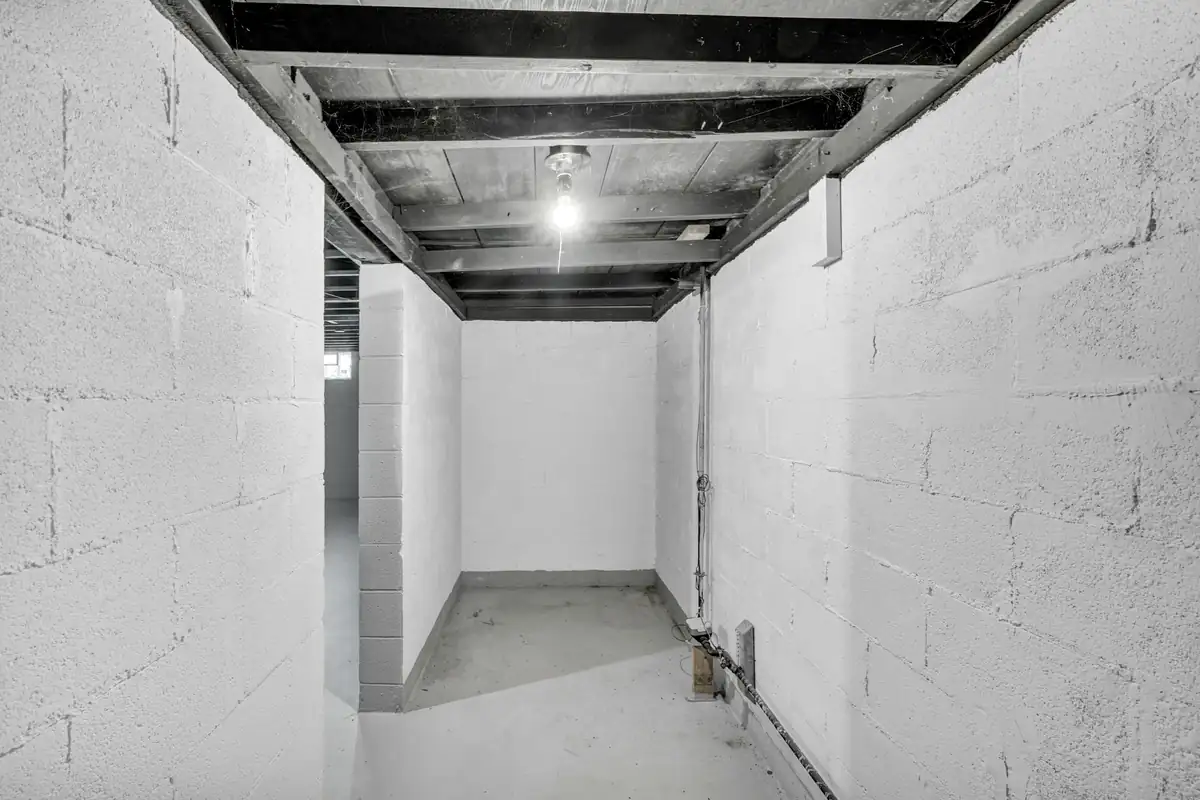
| Horizontal crack, or stair-step in block | Soil pressure or settlement | Engineer first, then a structural repair (details) |
| Thin cracks in the basement floor | Normal slab shrinkage | Seal with a flexible concrete crack sealant |
| Floor crack with one side raised | Soil movement or heave | Professional assessment |
Repairing a crack in a basement wall
For leaking, non-structural wall cracks, injection (polyurethane for wet cracks, epoxy for dry ones) is the most reliable fix, because it fills the crack through the full thickness of the wall. Follow our step-by-step foundation crack repair guide. Concrete block walls are harder: water travels through the hollow cores, so injecting one crack rarely solves a leak. Leaking block walls usually need a drainage solution.
Repairing a crack in a basement floor

- Vacuum the crack clean. For cracks wider than 1/4", push in a foam backer rod so the sealant above it is about half as deep as the crack is wide, usually 1/4" to 1/2".
- Fill with a self-leveling polyurethane concrete crack sealant (for flat floors) or an epoxy crack filler for a rigid repair.
- Let it cure before putting flooring over it. Under finished flooring, consider a crack isolation membrane.
Floor cracks are rarely structural, because in most houses the walls and posts sit on their own footings rather than on the floor slab. Water coming up through floor cracks or along the wall-floor joint points to groundwater pressure, which a sealant won't stop.
When water is the real problem
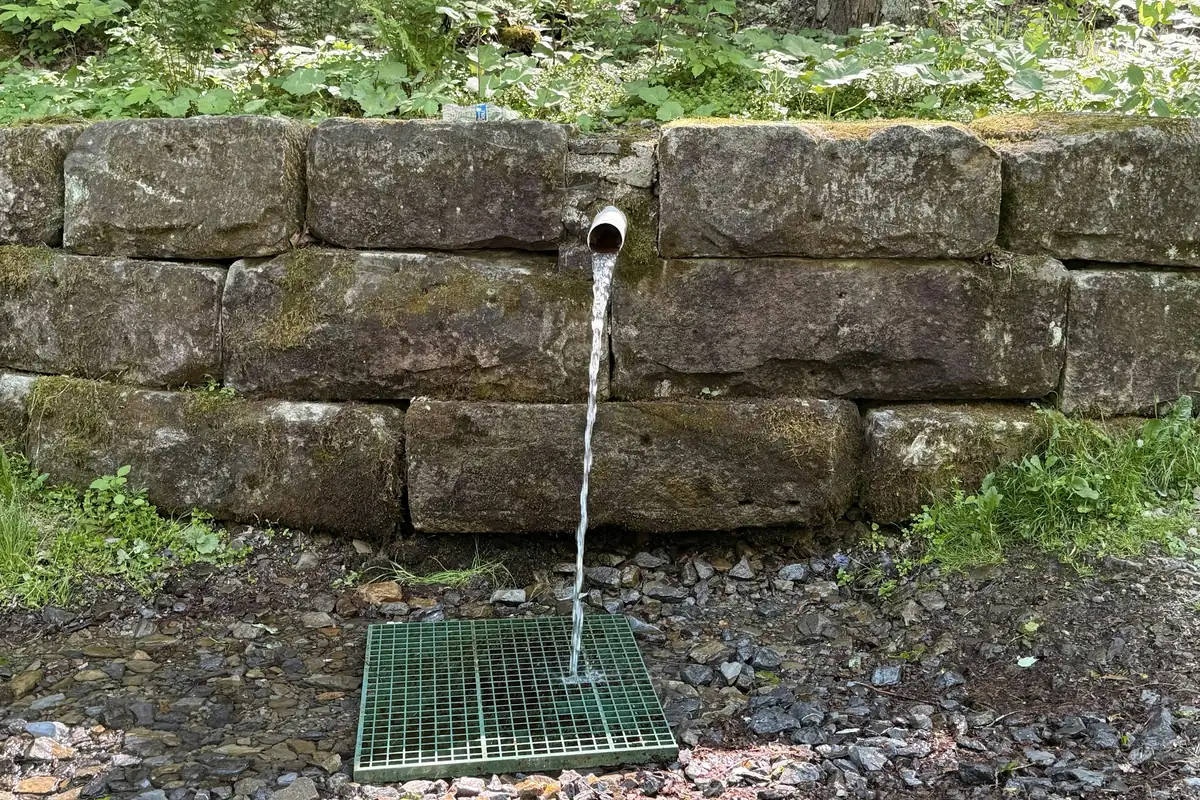
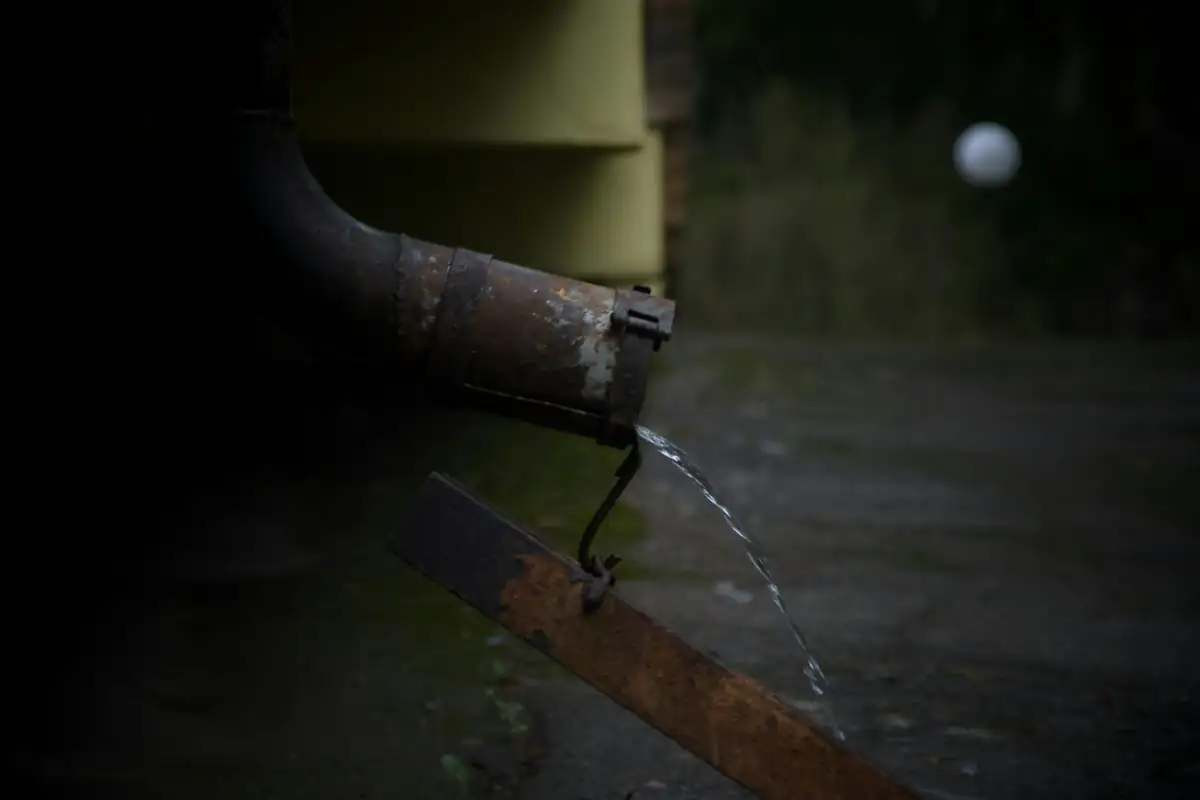
- Water along the wall-floor joint (the "cove joint"), not just at a crack
- Several leaking cracks, or leaks through block walls
- Recurring leaks after heavy rain despite sealing
Start with the outside: gutters, downspout extensions and grading. If that doesn't solve it, get quotes for interior drainage or exterior waterproofing.
Frequently asked questions
How do I stop water coming through a basement wall crack?
Start outside: clean gutters, extend downspouts at least 4 to 6 feet, and make sure soil slopes away from the house. Then seal the crack from inside, usually with polyurethane injection.
Are basement floor cracks a problem?
Usually not. In most houses the walls and posts sit on their own footings, so floor cracks are rarely structural. They matter if one side is raised or sunken, they let water in, or they are near a post that has dropped.
Why are cracks in block basement walls harder to fix?
Concrete block has hollow cores, so water travels through the wall rather than through one crack. Injecting a single crack rarely stops the leak; drainage, inside or out, usually does.
Should I seal basement cracks before finishing the basement?
Yes. Fix any leaks and seal cracks before covering the walls or floor, because finished surfaces hide water damage and make later repairs much more expensive.
Sources
- Visual Inspection of Concrete, InterNACHI
- Study Guide for Structural Issues for Home Inspectors, InterNACHI
- Crack Injection: Epoxies vs. Polyurethanes, Concrete Network
- Foundation Crack Repair Made Easy (DIY injection), RadonSeal
- Moisture in basements: causes and solutions, University of Minnesota Extension
- Data Sheet: Backer Rod No. 6917, Quikrete
- Tiling Over a Cracked Concrete Slab, Fine Homebuilding
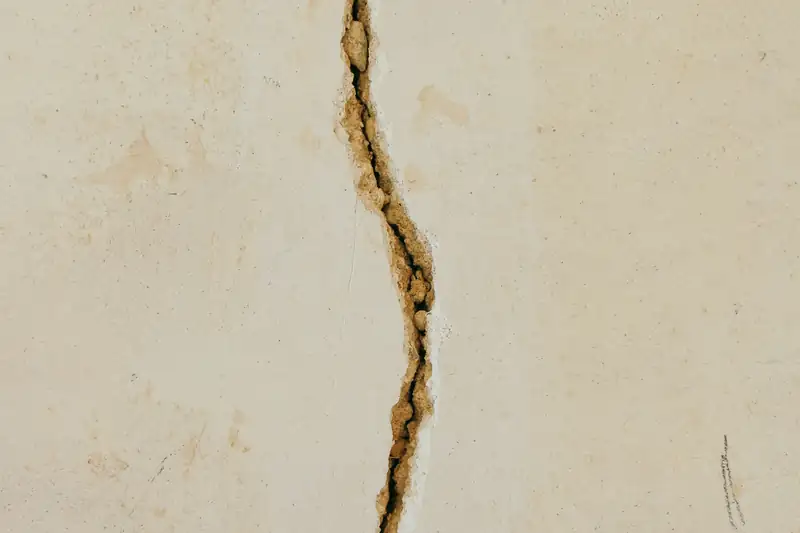 Foundation crack repairHow to repair a foundation crack: polyurethane vs. epoxy injection, a step-by-step DIY method for…
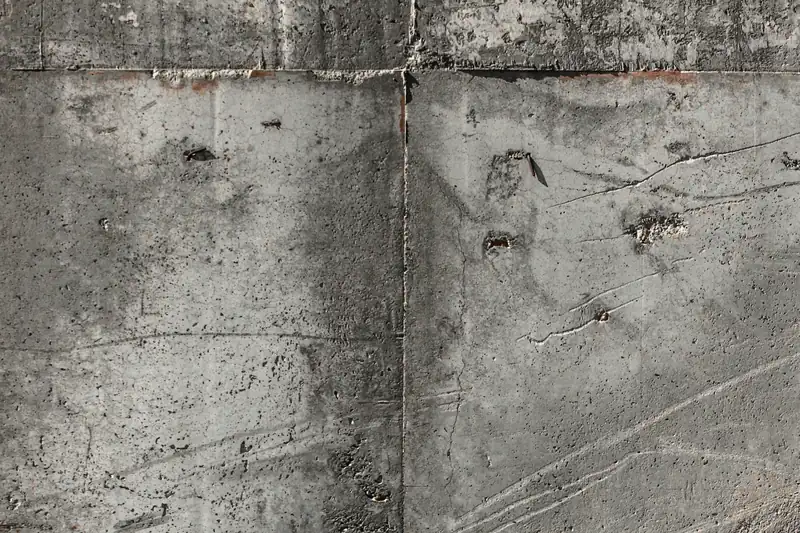 Foundation cracksHow to read foundation cracks: vertical, horizontal, diagonal and stair-step cracks, width thresholds,…
 Foundation crack repair costFoundation crack repair cost in 2026: DIY kits, injection per crack, engineer inspections, wall straps and…