Pool Deck Crack Repair: Fixing Cracks in a Concrete Pool Deck
Most cracks in a concrete pool deck are surface or shrinkage cracks you can seal yourself with a flexible, UV-rated sealant. Cracks that are raised, wide, or follow the pool edge need a closer look.

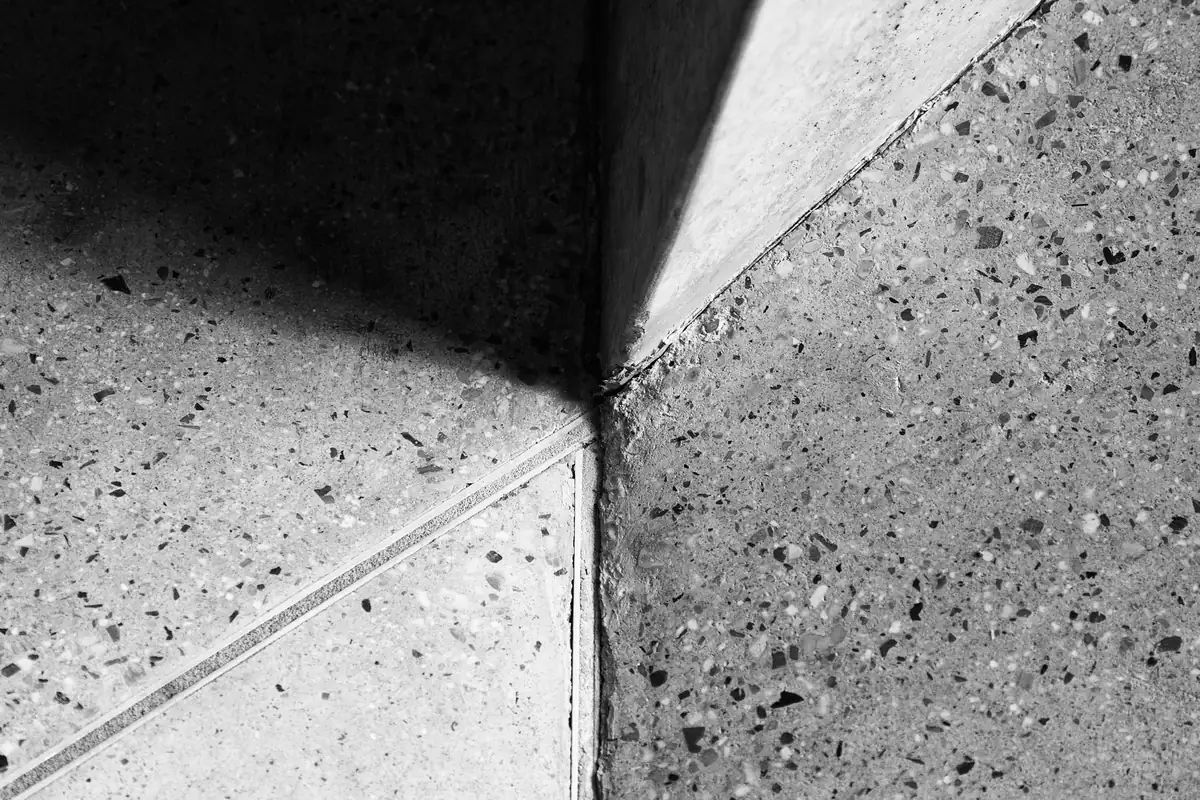
Short answer: clean the crack, fill deep ones with foam backer rod, and seal with a flexible polyurethane or hybrid sealant rated for UV and water. Don't use rigid patch on a crack that moves with the seasons. If one side of the crack is higher than the other, the crack is wider than about 1/4", or it runs along the pool edge and the pool is losing water, get it looked at before you seal.
This post is about the concrete deck around the pool, not the pool itself. A crack in the pool shell (the walls and floor that hold the water) is a different problem, and a pool contractor should assess it. Deck cracks are far more common and usually far less serious.
Why concrete pool decks crack
A pool deck has a harder life than most slabs. It sits in full sun, gets soaked and dried over and over, and is often poured over soil that was dug out and backfilled when the pool went in.
- Sun and heat: concrete expands as it heats up and shrinks as it cools. A deck can swing a long way in temperature between a summer afternoon and the night, and that movement opens and closes cracks.
- Shrinkage: like any concrete, a deck shrinks as it cures. Thin, random cracks in the first year or two are normal.
- Settlement: the soil around a pool is often backfill. If it wasn't compacted well, it can settle and leave a section of deck lower than its neighbor.
- Water: splash-out, rain and runoff soak into the soil under the deck. In cold climates, water in cracks freezes and widens them.
- Pool chemicals and salt: splashed water and salt can wear down the surface over time, which makes small cracks spread and the surface flake.
Expansion joint or crack?
Before you fill anything, work out what you're looking at. Many "cracks" around a pool are joints that are supposed to be there.
| What you see | What it usually is | What to do |
|---|---|---|
| A straight line between the deck and the coping (the pool edge) | The expansion joint around the pool | Keep it filled with a flexible joint sealant. Never fill it with mortar or patch. |
| Straight, evenly spaced grooves across the deck | Control joints | Leave open or seal with flexible sealant. They're meant to crack. |
| A wandering line that starts at a corner, drain or joint | A shrinkage or movement crack | Seal if it's under about 1/4" and level on both sides |
| Fine web of surface cracks | Crazing or map cracking | Usually cosmetic. A resurfacing coating covers it. |
The joint between the deck and the coping matters most. It lets the deck and the pool move separately. If it's filled with something rigid, or the old sealant has failed, the deck can push against the coping and crack it, and water can get down behind the pool wall. Re-sealing this joint is one of the most useful bits of pool deck upkeep you can do.
How to seal a pool deck crack
For cracks up to about 1/4" where both sides are level, a DIY repair works well. Our concrete crack repair guide covers the full method. The pool deck version is the same with a few changes:
- Pick a flexible sealant. Use a polyurethane or hybrid sealant labeled for exterior concrete, UV exposure and water. Self-leveling versions suit flat decks. Rigid epoxy and cement patch tend to crack again because the deck keeps moving.
- Clean and dry the crack. Brush out dirt and loose concrete, vacuum, and let it dry fully. Keep the pool covered or skim it after, so debris doesn't end up in the water.
- Use backer rod in deep cracks. Push foam backer rod into anything deeper than about 1/2", so the sealant is a thin, flexible band rather than a deep plug.
- Fill, tool and cure. Slightly overfill, then smooth. Sprinkle a little fine sand on the wet sealant if you want it less slippery and less shiny. Keep people and splashing off it until it has cured per the label.
For help choosing a product type, see our concrete crack filler guide.
When resurfacing makes sense
If the deck has many fine cracks, flaking, or old patches that don't match, sealing each crack one by one may not look good. A resurfacing coating, such as a polymer-modified cement overlay or a spray-textured deck finish, can give the whole deck a new surface.
- Seal or repair the cracks first. A coating over an active crack will usually crack in the same place.
- Keep the joints. A good resurfacing job carries the control joints and the coping joint through the new surface.
- Resurfacing is a cosmetic fix. It won't solve a sunken or heaving slab.
Prices for resurfacing vary widely with the deck size, the product and how much prep is needed, so get written quotes based on the same scope.
Slip safety and trip hazards
Pool decks are where people walk barefoot on wet concrete, so safety matters as much as looks.
- Trip edges: if one side of a crack is raised, even slightly, it's a hazard for bare feet and running kids. Sealant won't fix it. The slab needs grinding, lifting or replacing.
- Slick sealants: some sealers and coatings get very slippery when wet. Choose products meant for pool decks, or add a slip-resistant additive.
- Sharp edges: chipped crack edges can cut feet. Grind or patch them smooth.
When to call a professional
Get it checked if a crack is wider than about 1/4", growing, or one side is higher than the other; if a section of deck has sunk or tilted toward the pool; if the coping is cracked or loose; or if the pool is losing water.
Who to call depends on what's moving:
- A pool contractor for cracks in the pool shell, cracked or loose coping, tile lines, and suspected leaks. A leak under the deck can wash out the soil and cause more cracking, so fixing the leak comes first.
- A concrete or flatwork contractor for sunken slabs, lifting, grinding, or replacing a section of deck.
- A licensed structural engineer if the deck cracking lines up with cracks in the house foundation, a retaining wall near the pool is leaning, or the pool sits on a slope and the ground seems to be moving. Independent engineers don't sell repairs, so their opinion isn't tied to a sale.
Still not sure how serious a crack is? Run it through the Crack Checker for a next step based on its width, direction and warning signs.
 Concrete crack repairHow to repair cracks in concrete slabs, garage floors and patios: picking the right filler, steps for small…
 Concrete crack fillerHow to choose a concrete crack filler: polyurethane, epoxy, latex patch, self-leveling sealant and repair…
 Driveway crack repairHow to repair concrete and asphalt driveway cracks: fillers vs. sealers, step-by-step DIY repair, the best…
More from the blog
 Cracks in a Basement Floor: What They MeanShrinkage, settlement or heave: how to read a crack in your basement floor and when it actually matters.
 Seal Concrete Cracks Before WinterWhy fall is the time to seal concrete cracks, which ones to do now, and the temperatures sealants need.
 Cracks in a Slab Foundation: When to WorryWhich cracks in a slab-on-grade house are normal shrinkage, and which point to settlement or heave.
Not sure about your crack? The Crack Checker asks four questions and tells you whether to monitor it, fix it or call an engineer.