Cracks in a Slab Foundation: When to Worry
Most cracks in a concrete slab foundation are thin shrinkage cracks that do no harm. Worry when a crack is wider than 1/4", one side is higher than the other, or the house shows other signs of movement.
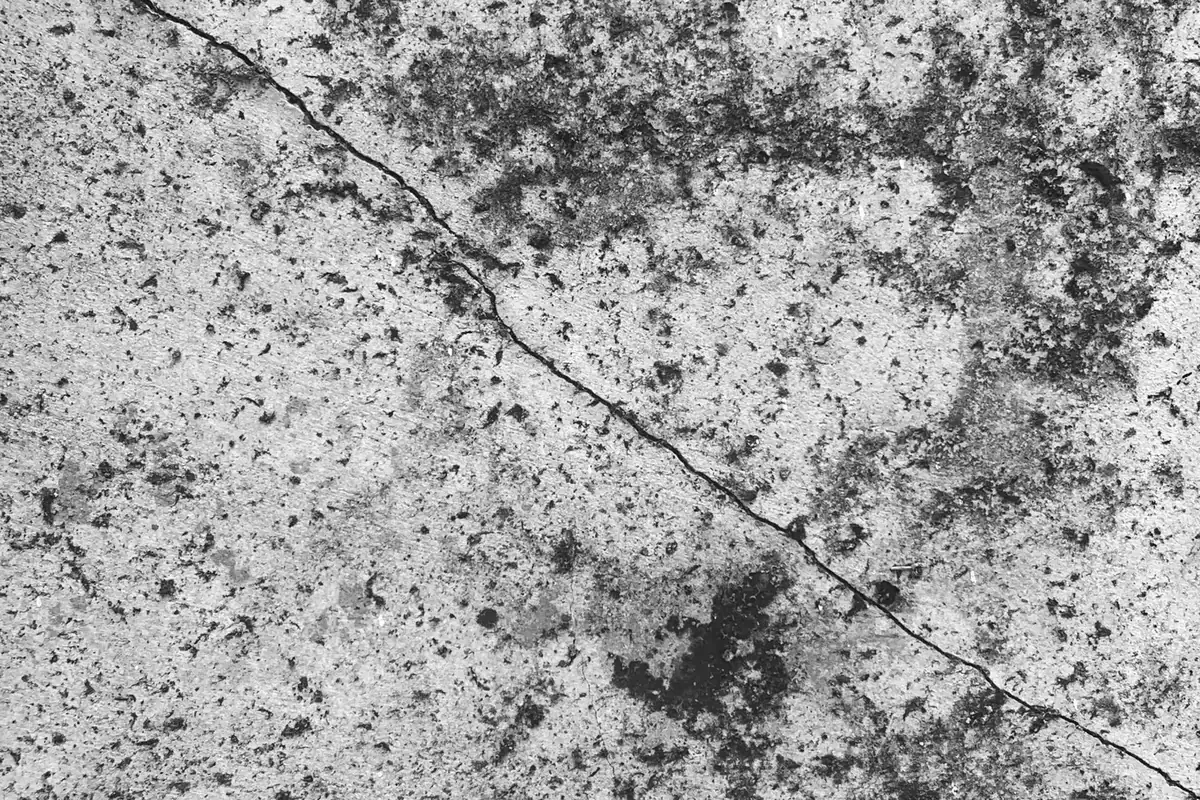

Short answer: thin, flat cracks in a slab foundation (under 1/8", both sides level) are usually shrinkage from when the concrete cured, and they are very common. Pay closer attention to cracks wider than 1/8" that are growing, any crack where one side is higher than the other, and cracks that show up together with sticking doors, sloping floors or new drywall cracks. Those can mean the soil under the slab is settling or swelling.
If your house has no basement or crawlspace, the ground floor is the foundation: a concrete slab poured directly on the soil, usually thicker around the edges where it carries the walls. That makes slab cracks feel more alarming than a crack in a garage floor. In practice, the same rules apply. Width, direction, level and change over time tell you far more than the fact that a crack exists.
Why slab foundations crack
There are three main causes, and only the last two are a structural concern.
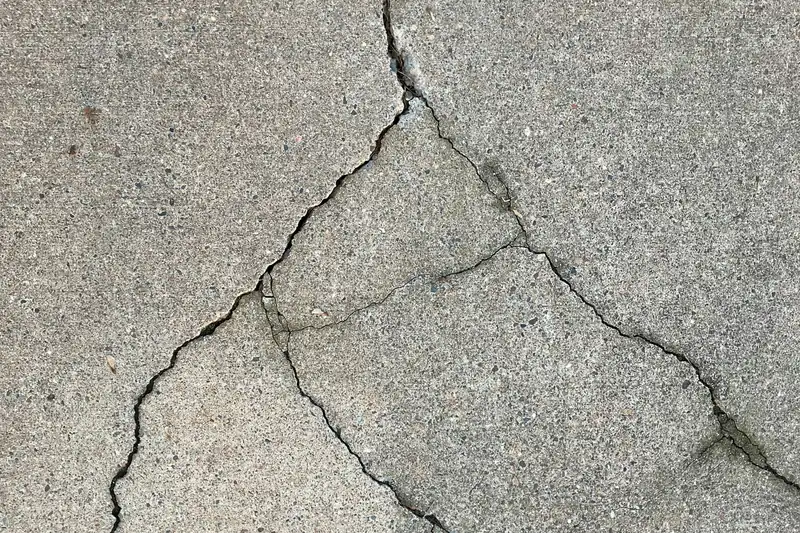
- Shrinkage. Concrete loses water and shrinks as it cures. In a large slab, that almost always leaves some thin cracks, often in the first year or two. They tend to be random or run straight across the slab, stay narrow, and stay flat.
- Settlement. If the soil under part of the slab compresses or washes out, that part can drop. Poorly compacted fill, plumbing leaks under the slab, and drought shrinking clay soil are common reasons. Settlement cracks often get wider over time and one side may sit lower.
- Heave. Expansive clay soil swells when it gets wet and can push part of the slab up. Frost can do the same near the edges in cold climates. Heave cracks often show a raised edge, and the floor may feel humped rather than sloped.
The general patterns are explained in our guide to normal foundation cracks. The difference with a slab is that you usually can't see the crack directly, so you have to read the clues around it.
How to find cracks hidden under flooring
Most slab cracks sit under carpet, tile, wood or vinyl. You don't need to tear up a finished floor to get a good idea of what is happening.
- Garage floor. In many slab houses the garage is the one place you can see bare concrete. Cracks there are not the house slab, but they tell you how the soil on that side of the house is behaving.
- Tile. Ceramic and stone tile can't flex, so a slab crack below often shows up as a line of cracked tiles or grout running across the room. A straight line of cracks through several tiles points to the slab, not to the tile itself.
- Carpet edges. If you're replacing carpet or can lift a corner at a closet, look at the bare slab. Small cracks are expected.
- Soft or hard spots. Walk the floor in socks. A ridge, a dip or a hump you can feel underfoot is worth noting.
- The perimeter outside. Look at the exposed edge of the slab around the house. Cracks there, gaps between the slab and the siding or brick, and soil pulling away from the edge are all useful signs.
When you do find a bare crack, measure its widest point, run a fingernail across it to check whether both sides are level, then pencil a mark at each end with the date.
Clues inside the house that matter more than the crack
In a slab house, movement in the foundation shows up in the rooms above it. These signs often tell you more than the crack you can see.
- Interior doors that start sticking or swing open or shut on their own
- Uneven gaps at the top of a door, wider on one side than the other
- Diagonal drywall cracks from the corners of doors and windows (see our guide to wall cracks)
- Floors that slope enough for a marble to roll, or a ball to drift to one corner
- Gaps opening between baseboards and the floor, or between kitchen cabinets and the wall
- Brick veneer outside with stair-step cracks near a corner
One stuck door after a humid week is normal. Several of these appearing together, or getting worse over a few months, points to the soil under the slab moving.
Normal or worth worrying about?
| What you see | Usually means | What to do |
|---|---|---|
| Hairline cracks (under 1/16"), flat | Shrinkage | Note and date them. No action needed. |
| Cracks 1/16" to 1/8", flat, not changing | Shrinkage or minor settling | Seal before laying new flooring, and monitor |
| Cracks 1/8" to 1/4", or growing | Possible settlement or heave | Have it inspected |
| Wider than 1/4", or one side higher than the other | Likely soil movement | Structural engineer |
| Any crack plus sticking doors, sloping floors or spreading drywall cracks | Foundation movement | Structural engineer |
If you're unsure where your crack fits, the Crack Checker asks about location, direction, width and warning signs and gives you an action level.
Things that make slab problems worse
Most slab movement is driven by water in the soil. A few checks are worth doing whatever your crack looks like.
- Downspouts should discharge several feet from the house, not at the slab edge
- The ground should slope away from the house on every side
- Watch for a sudden jump in your water bill or a warm spot on the floor, which can mean a leaking pipe under the slab
- Large trees close to the house can dry out clay soil in a drought and let that corner drop
If a crack appears suddenly and widens over days rather than months, or you can hear water running when every tap is off, call a plumber to check for a leak under the slab, and have the foundation looked at.
When to call a structural engineer
Call a licensed structural engineer if a slab crack is wider than 1/4", is displaced (one side higher), keeps growing, or comes with sloping floors, sticking doors or spreading drywall cracks. An independent engineer doesn't sell repairs. Their job is to find the cause and tell you whether you need anything at all, which is the right starting point before you talk to repair companies offering free inspections.
Many slab houses with cracks need nothing more than sealing and better drainage. Where settlement is real, the fix can range from correcting drainage to lifting or supporting part of the slab, and the price varies widely. An engineer's report lets you get quotes for the same scope of work.
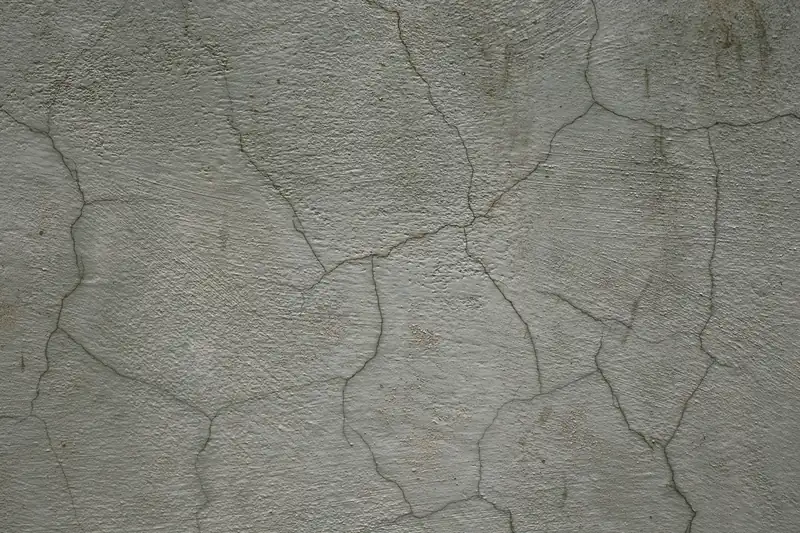 Normal foundation cracksDiagrams of normal foundation cracks next to serious ones, so you can compare: shrinkage, hairline,…
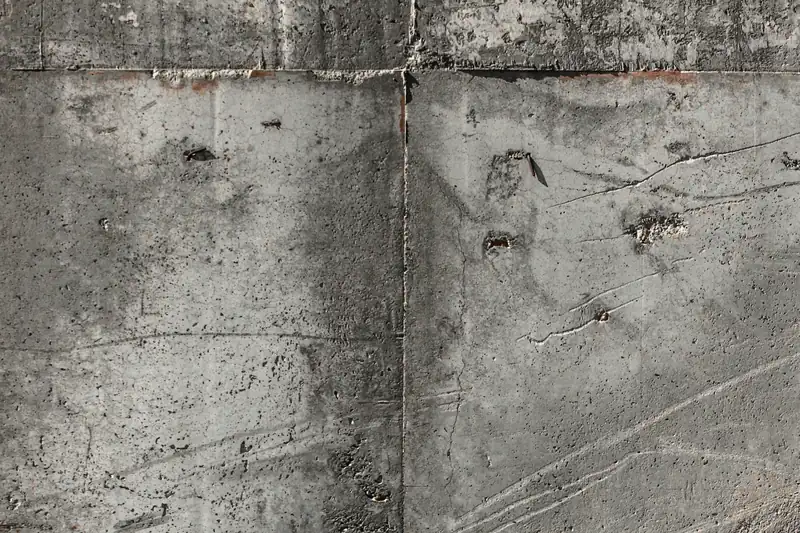 Foundation cracksHow to read foundation cracks: vertical, horizontal, diagonal and stair-step cracks, width thresholds,…
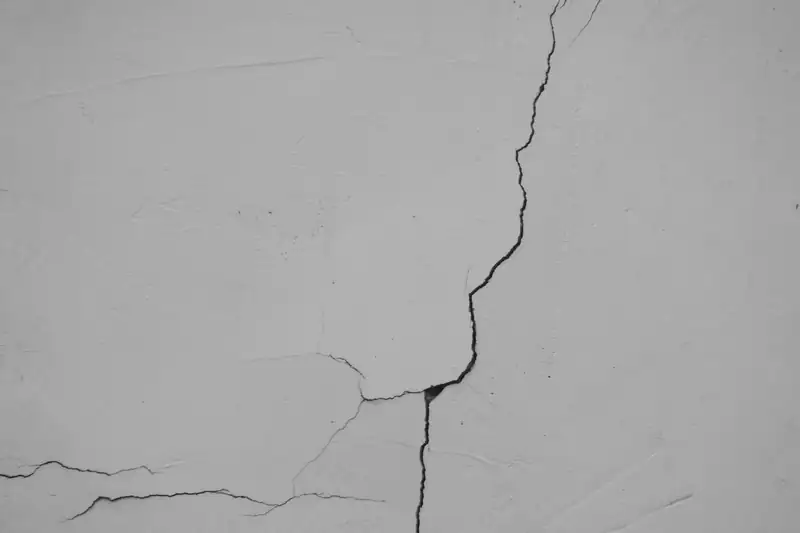 Wall cracksVertical, horizontal, diagonal and stair-step cracks in drywall, plaster, brick and stucco walls: what each…
More from the blog
 5 Crack Repairs and the Products DIYers Actually Use
Not sure about your crack? The Crack Checker asks four questions and tells you whether to monitor it, fix it or call an engineer.