Seal Concrete Cracks Before Winter
Water that gets into a concrete crack freezes, expands and pushes the crack wider every winter. Sealing open cracks in the fall, on a dry day above the sealant's minimum temperature, stops most of that damage.
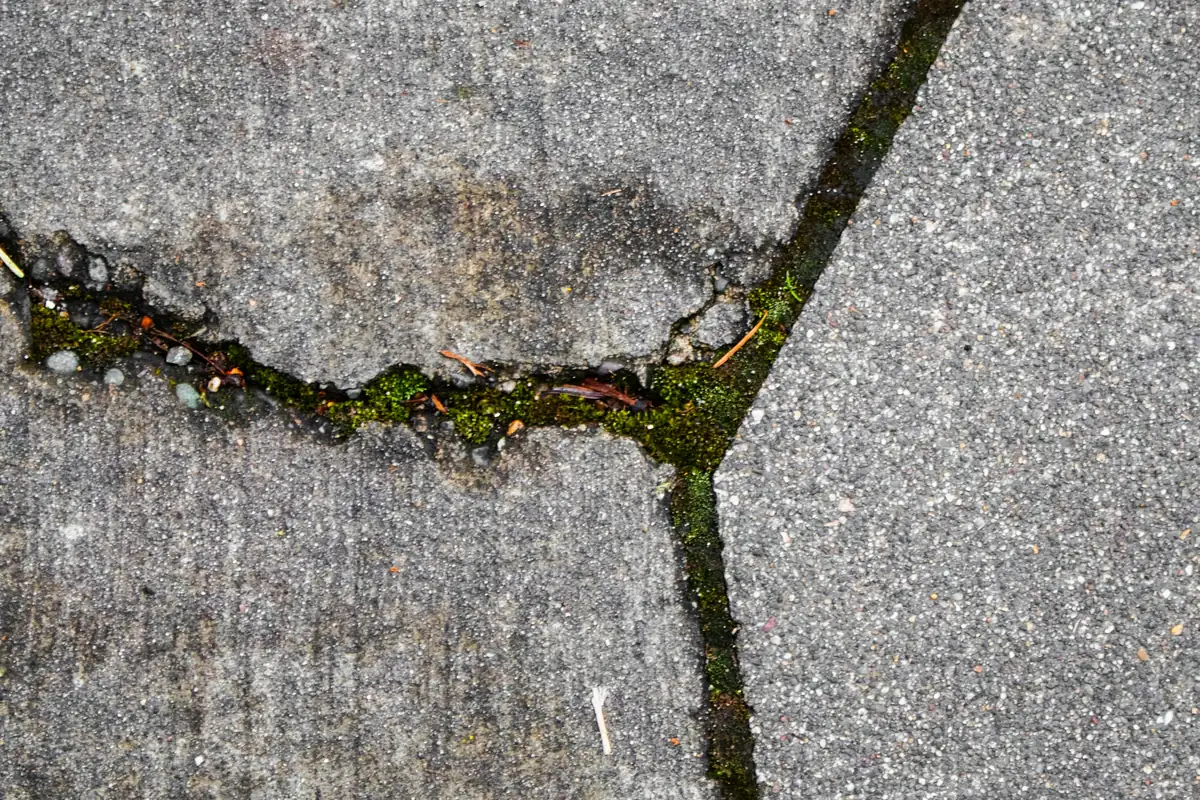
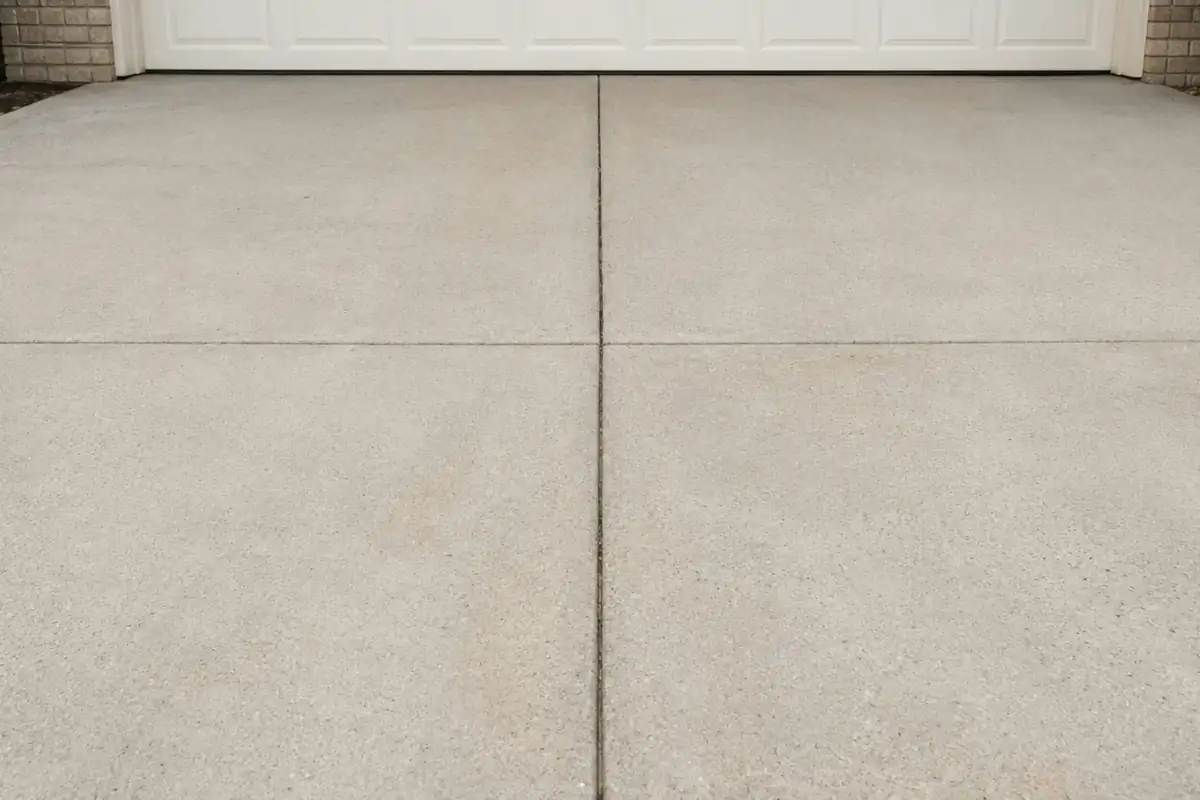
Short answer: seal cracks in driveways, walks, patios and steps that are 1/16" or wider before the first hard freeze. Use a flexible concrete crack sealant on clean, dry concrete, and check the label for the minimum temperature (many need about 40°F or warmer, for the day you apply and the night after). Leave hairlines alone, and don't seal a crack that is widening or has one side raised until you know why.
Outdoor concrete takes the most punishment in winter, not summer. A crack that looked harmless in September can come out of March wider, with chipped edges and a loose piece or two. Most of that damage starts with water sitting in the crack, and a few hours of work in the fall can keep it out.
Why fall is the time to seal concrete cracks
Three things happen to an open crack over winter:
- Freeze-thaw. Water expands when it freezes. Ice in a crack acts like a wedge, pushing the sides apart a little each time. In many parts of the US that happens dozens of times a winter, and the crack grows with each cycle.
- De-icing salt. Salt melts ice, which means more liquid water runs into cracks and refreezes. Salt can also attack the concrete surface itself and make edges flake and scale.
- Soil movement below. Water that drains through cracks softens the soil or gravel under a slab. When that soil freezes, it can lift one section, and when it thaws, the section may not settle back evenly.
Sealing does nothing for the strength of the concrete. Its job is to keep water out, and in a cold climate that is most of what keeps a small crack small.
Fall also gives you the conditions sealants need. Summer heat can make some products skin over too fast, and once winter arrives it is too cold for most of them to cure.
Which cracks to seal now
| Crack | Seal this fall? |
|---|---|
| Hairline (under 1/16") | Usually not needed. A penetrating concrete sealer over the whole slab helps more. |
| 1/16" to 1/4", both sides level | Yes. This is the main target. |
| 1/4" to 1/2", both sides level | Yes, with foam backer rod first so the sealant isn't too deep. |
| Control joints and the joint between a slab and the house | Yes, if the old sealant is cracked, missing or pulling away. |
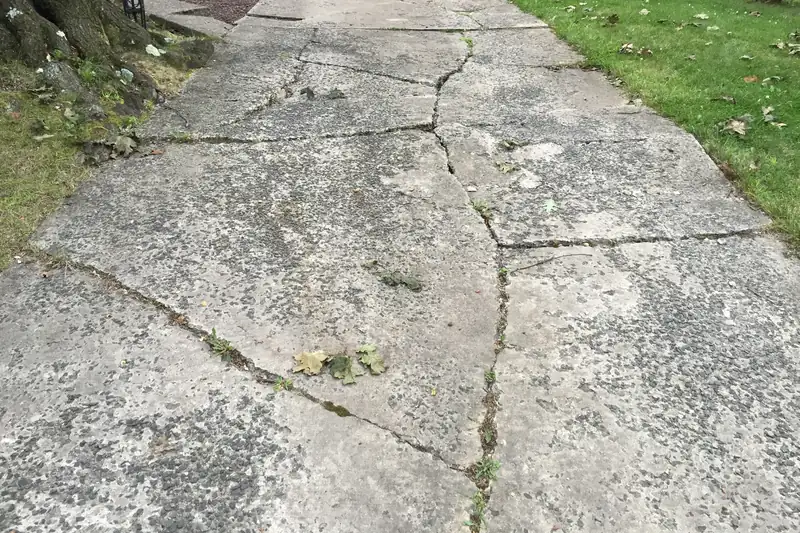
| One side raised or sunk, or the slab broken into pieces | Sealing won't fix it. See the repair-or-replace advice in our driveway crack repair guide. |
Give the gap between a driveway or patio and the foundation wall extra attention. Water that gets in there runs straight down beside the foundation.
Foundation and basement wall cracks are different. Don't seal over a foundation crack wider than 1/8", a horizontal crack, or one that is growing until you know what is causing it. Sealing can hide movement that a structural engineer would need to see. Start with our foundation cracks guide.
Temperature and weather limits
This is where fall sealing usually goes wrong. Sealants are chemical products, and most of them have firm rules on the label. Read them before you buy and again before you start.
- Minimum temperature. Many concrete crack sealants need about 40°F or warmer, and some need more. The concrete matters as much as the air, and concrete in shade stays colder than the air on a sunny afternoon.
- Overnight low. Check the forecast for the night after, not just the day. Many products need to stay above their minimum until they have started to cure.
- Dry concrete. Most sealants need a dry crack to bond. After rain, give the concrete at least a day or two of dry weather, longer in shade. Dew on a cold morning counts as wet.
- Rain-free cure time. The label will say how long the sealant must stay dry. Pick a stretch of dry days, not a single dry afternoon.
If the weather has already turned cold, it is better to wait for a mild spell, or until spring, than to apply sealant that never bonds. A failed seal can trap water against the concrete.
Picking a sealant
Outdoor cracks open and close as the temperature changes, so they need something flexible. Rigid fillers like epoxy or patching compound tend to crack again by spring.
- Flat surfaces (driveways, walks, patios): self-leveling polyurethane concrete crack sealant
- Vertical or sloped surfaces (steps, curbs, the side of a slab): non-sag polyurethane concrete caulk
- Deep cracks over about 1/2": foam backer rod, then sealant on top
Our concrete crack filler guide compares the types in more detail.
A weekend plan
Before the weekend
- Check the forecast for two or three dry days with highs and overnight lows above your sealant's minimum.
- Walk your concrete and mark each crack worth sealing with chalk. Measure the widest ones so you buy the right backer rod.
- Clean out gutters and check that downspouts drain away from walks and the driveway, so you don't seal cracks that will sit under water all winter.
Saturday
- Pull out weeds and old sealant with a screwdriver or a wire brush.
- Blow or vacuum the cracks clean. Dust stops sealant from bonding.
- Push in foam backer rod where cracks are deeper than about 1/2".
- Apply sealant in the warmest, driest part of the day, slightly overfilling, and tool it smooth. The full method is in our concrete crack repair guide.
Sunday and after
- Keep cars and foot traffic off for the time on the label.
- Photograph any crack you sealed that was wider than 1/4", with a ruler in the frame, so you can compare it in spring.
- Through winter, shovel early and use salt sparingly. Avoid de-icing salts on concrete less than a year old.
When sealing isn't the answer
If a slab crack keeps reopening every year, one side keeps rising, or cracks in your driveway line up with cracks in the house, the concrete is moving for a reason a sealant won't fix. For anything near the house that is wider than 1/4", displaced or growing, an independent structural engineer can tell you what is going on. They don't sell repairs, so their advice isn't tied to a sale.
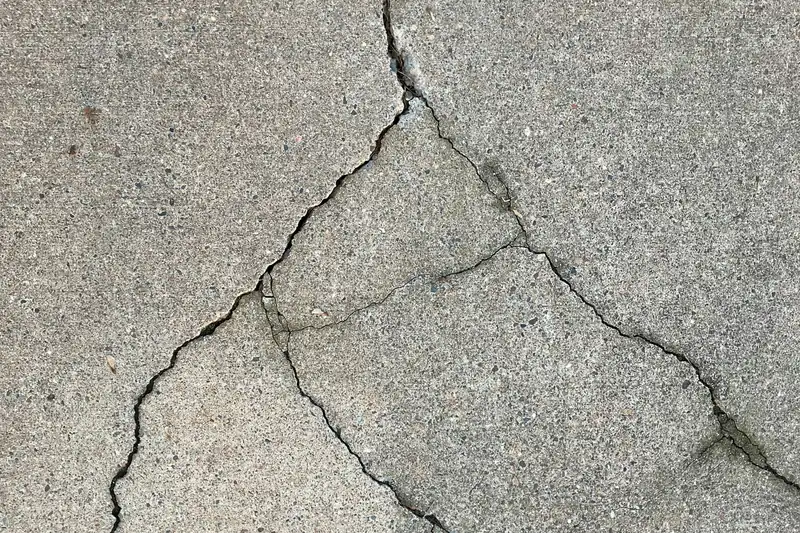 Concrete crack repairHow to repair cracks in concrete slabs, garage floors and patios: picking the right filler, steps for small…
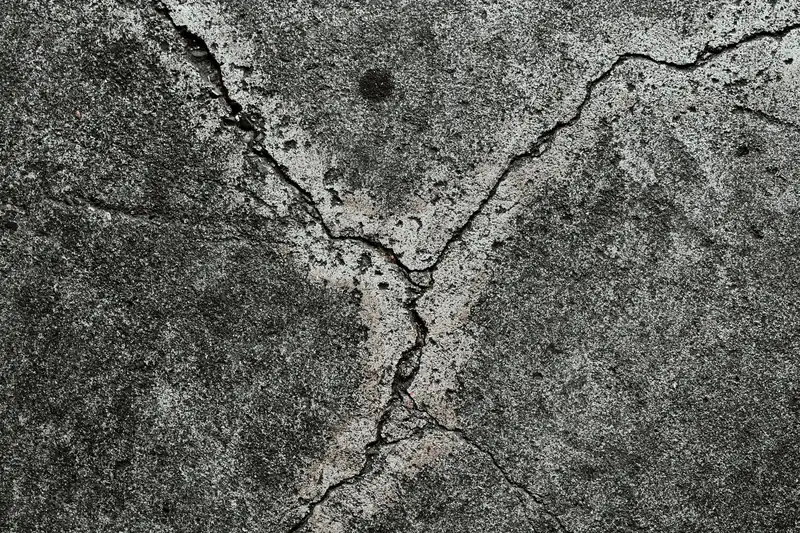 Concrete crack fillerHow to choose a concrete crack filler: polyurethane, epoxy, latex patch, self-leveling sealant and repair…
 Driveway crack repairHow to repair concrete and asphalt driveway cracks: fillers vs. sealers, step-by-step DIY repair, the best…
More from the blog
 Cracks in a Slab Foundation: When to WorryWhich cracks in a slab-on-grade house are normal shrinkage, and which point to settlement or heave.5 Crack Repairs and the Products DIYers Actually UseFoundation leaks, concrete, drywall and asphalt: the products Reddit DIYers and pros recommend.
Not sure about your crack? The Crack Checker asks four questions and tells you whether to monitor it, fix it or call an engineer.