Cracks in a Basement Floor: What They Mean
Most cracks in a basement floor are shrinkage cracks in a slab that doesn't hold up the house. They matter when one side lifts or drops, when they keep growing, or when water comes up through them.
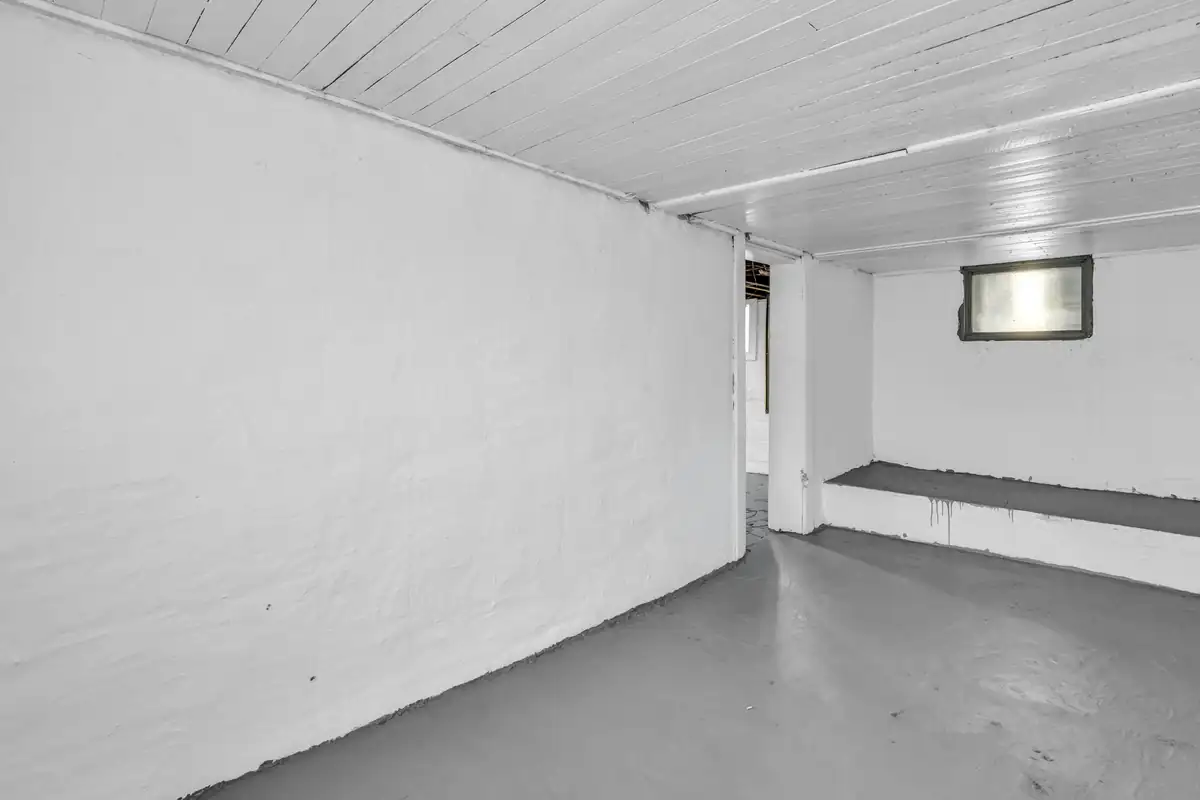
Short answer: thin, flat cracks in a basement floor are usually shrinkage and are very common. The floor slab in most basements isn't structural: the walls sit on their own footings. A heaving crack, where one side has been pushed up, is caused by pressure from below (expanding soil, frost or groundwater) and is worth having looked at. So is any floor crack that is growing, wider than 1/4", or letting water in.
A crack across the basement floor can look worse than a crack in the wall, because it is wide open to view and often runs the length of the room. The good news is that the floor is usually the least important piece of concrete in the basement. Here's how to tell what your crack is telling you.
Why a basement floor is usually not structural
In most houses, the foundation walls stand on concrete footings poured below them, and the floor slab is poured afterwards between the walls. The slab keeps out dirt and moisture and gives you something to stand on. It doesn't carry the walls or the house.
There are exceptions. Steel posts and interior bearing walls often sit on their own footings under the slab, but in some houses they rest on a thickened part of the floor. If a crack runs right next to a post, or a post looks like it has sunk, treat that differently. The same goes for a few house types where the floor and walls are poured together. If you're unsure how yours was built, an engineer can tell you quickly.
The four kinds of basement floor crack
Shrinkage cracks
Concrete shrinks as it cures. A basement slab often cracks across the middle of the room, out from corners, or in a loose web pattern. These cracks are thin (usually under 1/8"), flat, and stop changing after the first year or two. They are the most common kind by far.
Settlement cracks
If the gravel or soil under the slab wasn't compacted well, parts of the floor can sink. Settlement cracks tend to be wider, and one side may sit a little lower. You might notice a dip near the walls where backfill was placed, or a gap opening between the floor and the bottom of the wall.
Heaving cracks
A heaving crack is one where part of the floor has been pushed up. Run your hand across it: if one edge stands proud of the other, or the floor rises into a hump along the crack, that is heave. Common causes are expansive clay soil swelling when wet, frost getting under a slab in an unheated space, and groundwater pressure pushing up from below. Heave is a sign that something under the floor is changing, which is why it deserves more attention than shrinkage.
Cracks along the wall-floor joint
The line where the floor meets the wall is a joint, not a crack. A thin gap there is normal. It matters when water comes through it or when the gap gets noticeably wider.
How to read your crack
| What you see | Likely cause | What to do |
|---|---|---|
| Hairline cracks, flat, not changing | Shrinkage | Nothing. Mark and date if you want to be sure. |
| 1/16" to 1/8", flat, dry | Shrinkage | Seal it if you plan to finish the floor, or if moisture comes through. |
| 1/8" to 1/4", or growing | Possible settlement or heave | Monitor monthly, and have it inspected if it keeps changing. |
| Wider than 1/4", or one side raised or sunk | Settlement or heave | Professional assessment |
| Crack near a post that has dropped, or with wall cracks or bowing walls | Possible structural movement | Structural engineer |
To check change over time, pencil a line across each end, write the date, and measure the widest point. Check again monthly for a few months and after heavy rain. If the crack is still the same width and still flat, it is very likely dormant.
When water or radon comes through
A crack that lets water in is a water problem first. Damp patches that appear after rain, or a crack that seeps when the ground is wet, point to groundwater pressure under the slab. A sealant may slow it, but it won't hold back water that is being pushed up from below. Look outside first: gutters, downspout extensions and grading that slopes away from the house. If that doesn't fix it, the usual next step is interior drainage.
Floor cracks can also let soil gas, including radon, into the house. Radon has no smell and you can't see it, so the only way to know is to test. Low-cost test kits are widely available. If levels are high, a radon mitigation system is the fix. Sealing cracks helps but is rarely enough on its own.
When a basement floor crack matters
Call a licensed structural engineer if a floor crack is wider than 1/4", one side is clearly higher than the other, it keeps growing, or it comes with other signs: a post that has dropped, horizontal or stair-step cracks in the walls, bowing walls, sticking doors upstairs, or sagging floors above. An independent engineer doesn't sell repairs, so they can tell you plainly whether the floor needs anything at all.
Look at the walls while you're down there. Wall cracks matter far more than floor cracks, and our foundation cracks guide explains what to look for. If you want a quick second opinion on the crack itself, try the Crack Checker.
For a stable crack that just needs sealing, the steps (cleaning, backer rod, a flexible sealant, and what to do before laying flooring) are in our basement crack repair guide.
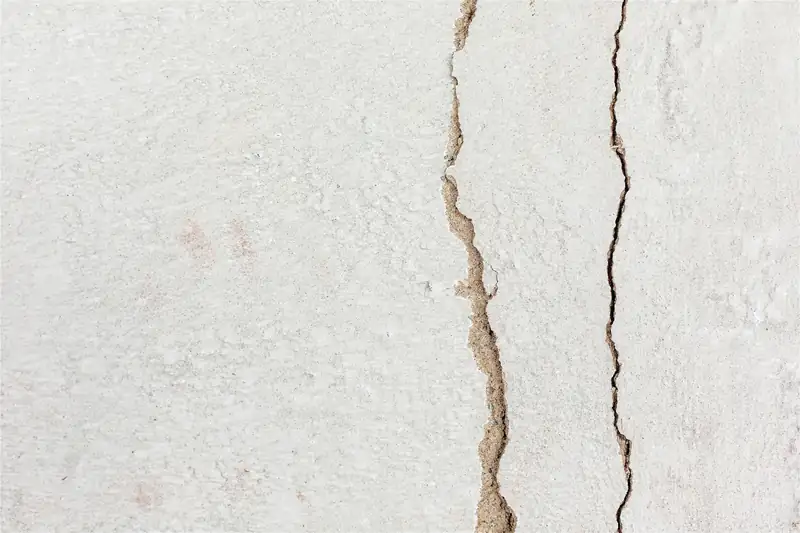 Basement crack repairHow to repair cracks in basement walls and floors: which cracks you can fix yourself, injection vs. patching,…
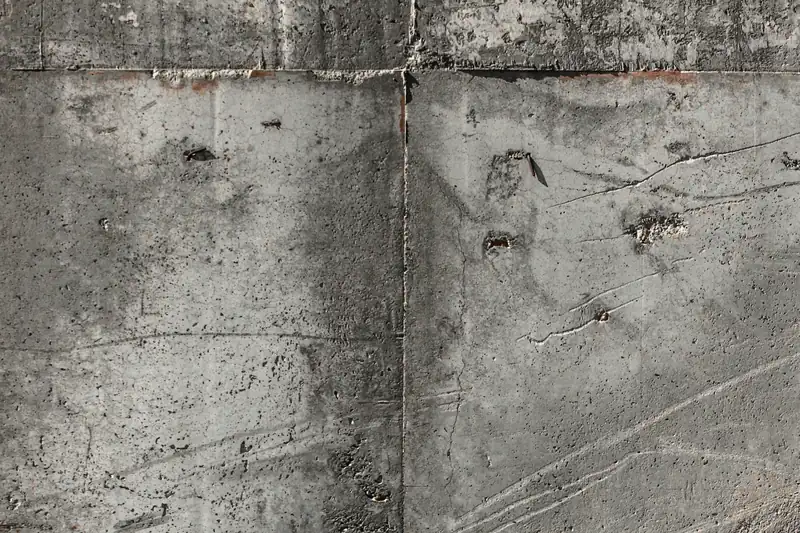 Foundation cracksHow to read foundation cracks: vertical, horizontal, diagonal and stair-step cracks, width thresholds,…
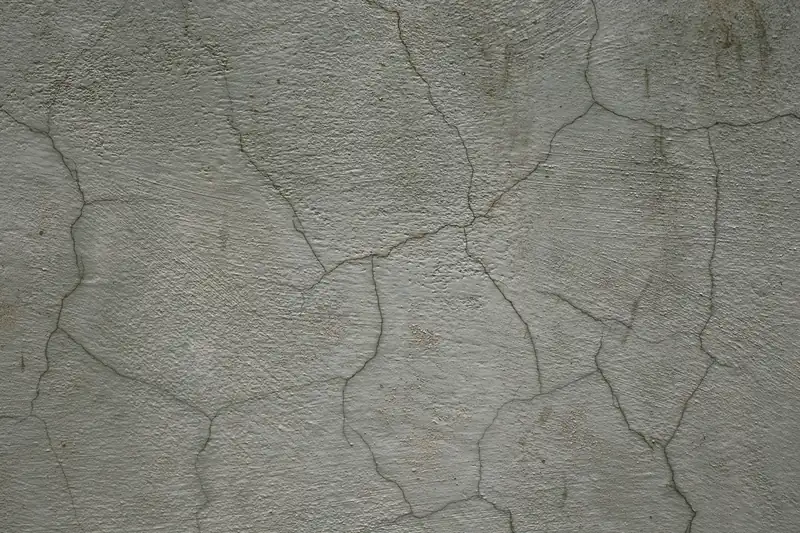 Normal foundation cracksDiagrams of normal foundation cracks next to serious ones, so you can compare: shrinkage, hairline,…
More from the blog
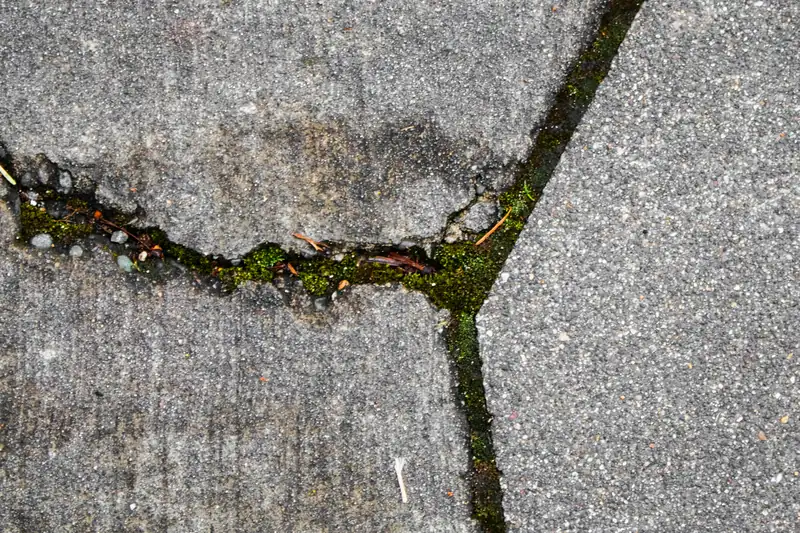 Seal Concrete Cracks Before WinterWhy fall is the time to seal concrete cracks, which ones to do now, and the temperatures sealants need.
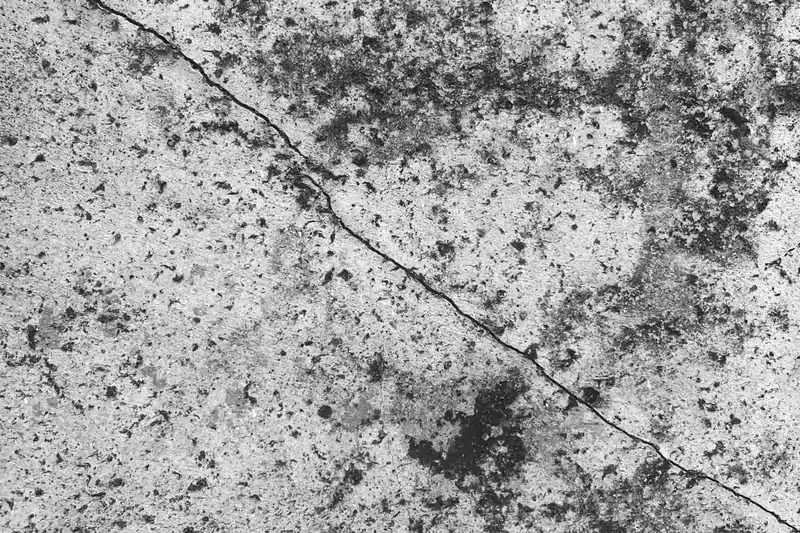 Cracks in a Slab Foundation: When to WorryWhich cracks in a slab-on-grade house are normal shrinkage, and which point to settlement or heave.
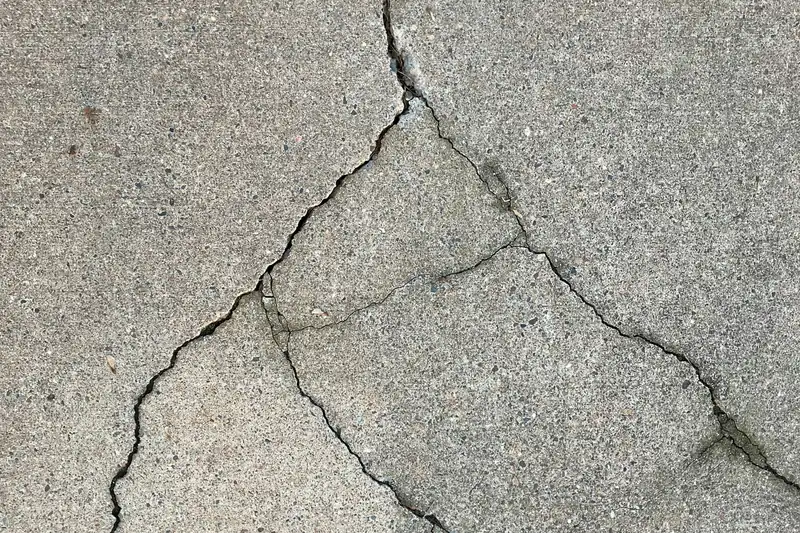 5 Crack Repairs and the Products DIYers Actually UseFoundation leaks, concrete, drywall and asphalt: the products Reddit DIYers and pros recommend.
Not sure about your crack? The Crack Checker asks four questions and tells you whether to monitor it, fix it or call an engineer.