Hairline Cracks in the Ceiling: When They Matter
Most hairline cracks in a ceiling are cosmetic: paint, texture or a drywall joint flexing. They matter when they grow, sag, stain or show up suddenly.
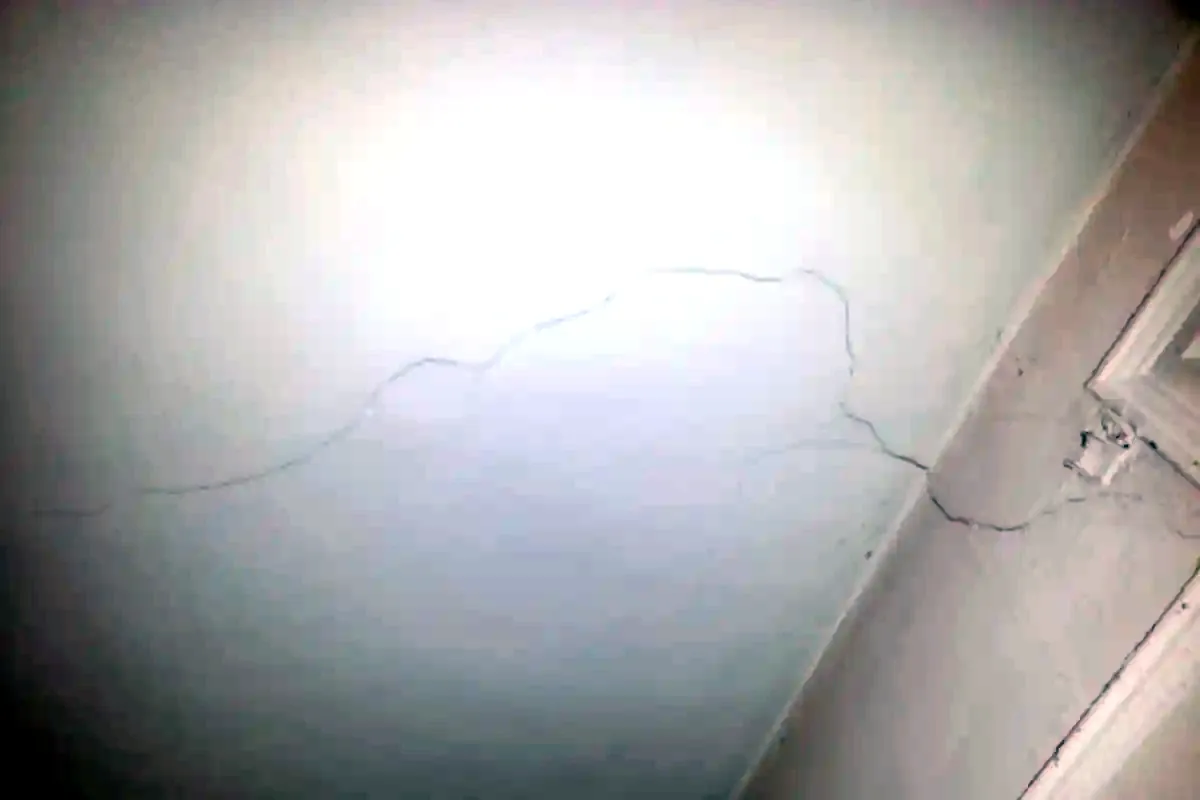
Short answer: a hairline crack in a ceiling (thinner than 1/16") is almost always cosmetic. It's usually paint or texture cracking, a drywall joint moving with the seasons, or old plaster aging. Pay attention if it grows, if the ceiling sags, if there's a water stain, if it continues down a wall, or if it appeared suddenly after an event.
The three common kinds of hairline ceiling crack
Spiderweb cracks in paint or texture
A network of fine, branching lines is usually in the surface coating, not the ceiling itself. Thick layers of paint, a heavy sprayed or troweled texture, or texture applied too thick in one pass can all crack like this as they dry and age. You'll often see it around light fixtures and in rooms that get warm and humid, like bathrooms and kitchens. If the drywall or plaster underneath is sound, it's cosmetic.
Straight lines at drywall joints
A thin, straight crack that runs the length of the room, often parallel to other lines about 4 feet apart, is almost always a taped drywall joint. Wood framing swells and shrinks with humidity, and the joint is the weakest spot. These cracks often open in winter, close in summer, and come back after patching. Annoying, but not a structural sign on their own.
A related case is a crack where the ceiling meets an interior wall. In homes with roof trusses, the trusses can arch slightly in winter and lift the ceiling. That's called truss uplift and it's seasonal.
Hairline cracks in old plaster
Plaster ceilings in older homes develop fine, random hairline cracks as the plaster ages and the house moves. A plaster ceiling with a few hairlines is normal. What matters is whether the plaster is still firmly attached, which is covered below.
When a hairline ceiling crack is worth attention
Width alone doesn't tell the whole story. A hairline crack deserves a closer look when it comes with any of these:
- It's growing. Longer or wider over weeks or months, or new cracks keep appearing nearby.
- The ceiling sags or bulges along or near the crack. Hold a long straightedge or level against the ceiling, or look along it with a flashlight held flat.
- There's a water stain. Yellow or brown rings, bubbling paint, or a damp feel point to a roof, plumbing or HVAC condensation leak above.
- It continues down a wall. A crack that runs across the ceiling and keeps going down a wall, especially diagonally from a door corner, can reflect movement in the framing or foundation.
- It appeared suddenly after an event: a heavy snow load on the roof, a storm, an earthquake, a nearby excavation, or heavy items stored in the attic. A crack with cracking or popping sounds belongs here too.
- Old plaster feels loose. Press gently near the crack. If it moves, gives or sounds hollow, the plaster may have lost its grip on the lath above.
- Doors upstairs or nearby start sticking or floors start to slope at the same time.
If the ceiling is sagging, bulging or dripping, keep people out from under it. Fix or stop the water source, and have a contractor or a licensed structural engineer look at it promptly. A sagging ceiling can come down.
For the full breakdown of ceiling crack types, including wider cracks and their causes, see our guide to cracks in ceilings.
How to monitor a hairline crack
If none of the warning signs apply, the right move is usually to watch it for a while before you patch. Patching first can hide whether it's moving.
- Mark the ends. Make a small pencil tick across each end of the crack and write the date next to it.
- Photograph it. Take a photo from the same spot each time, with a ruler or a coin held next to the crack for scale.
- Check monthly for six months, plus after big weather changes. Many seam cracks follow the seasons, so a full winter-to-summer cycle tells you a lot.
- Look upstairs too. Check the attic or room above for leaks, damp insulation or heavy storage over the crack.
A crack that stays the same length and width is likely dormant and safe to patch. One that grows past the pencil marks, or widens toward 1/8", is worth having inspected. Anything wider than 1/4", or any crack with sagging, needs a structural engineer.
A simple cosmetic fix
Once you know the crack is stable and dry, the fix is a weekend job.
- Clean it up. Scrape away loose paint and texture along the crack. For a seam crack, open it slightly with a utility knife.
- Tape it. For a single line or a seam, cover the crack with fiberglass mesh tape, or paper tape bedded in compound. Skipping tape is the main reason ceiling patches crack again.
- Apply thin coats. Use two or three thin coats of joint compound, feathering each wider than the last. A setting-type compound shrinks less than premixed.
- Prime and paint. Sand lightly, prime (use a stain-blocking primer if there was any water staining), then paint. Match texture with a spray can or roller texture before painting.
For widespread spiderweb cracking in paint or texture, spot patching rarely blends in. A thin skim coat of compound over the area, then primer and paint, gives a cleaner result. For a crack where the wall meets the ceiling that reopens every winter, a paintable flexible caulk or a crown molding fixed only to the ceiling hides the movement better than compound.
If old plaster is loose around the crack, don't just fill it. Reattach the plaster to the lath with plaster washers and screws first, or ask a plaster contractor.
Who to call if you're unsure
For a hairline crack with no warning signs, you don't need anyone. For a ceiling crack paired with sticking doors, sloping floors, a crack running down a wall, or new wall cracks elsewhere in the house, start with a licensed structural engineer. Independent engineers charge for the visit and don't sell repairs, so they have no reason to oversell. For leaks, call a roofer or plumber first and patch the ceiling after the water is stopped.
Not sure where your crack falls? The Crack Checker asks four quick questions and gives you a next step.
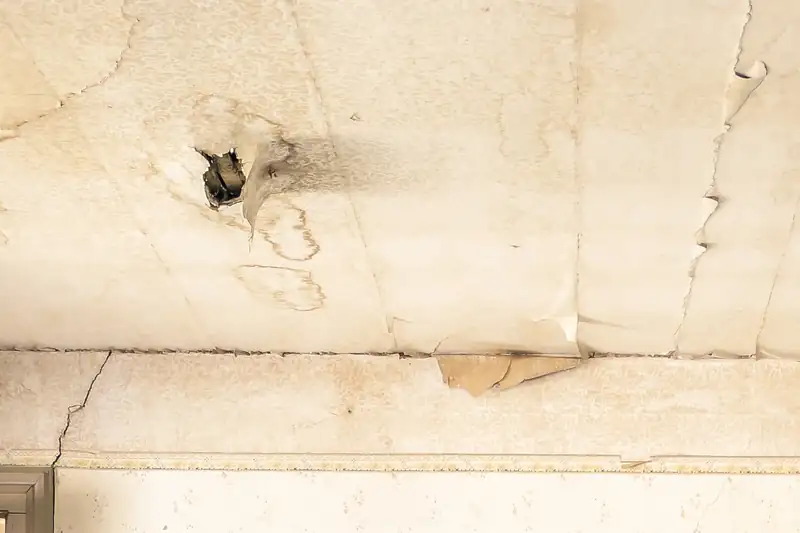 Ceiling cracksWhat ceiling cracks mean: hairline, spiderweb, drywall seam and wall-ceiling cracks, warning signs like…
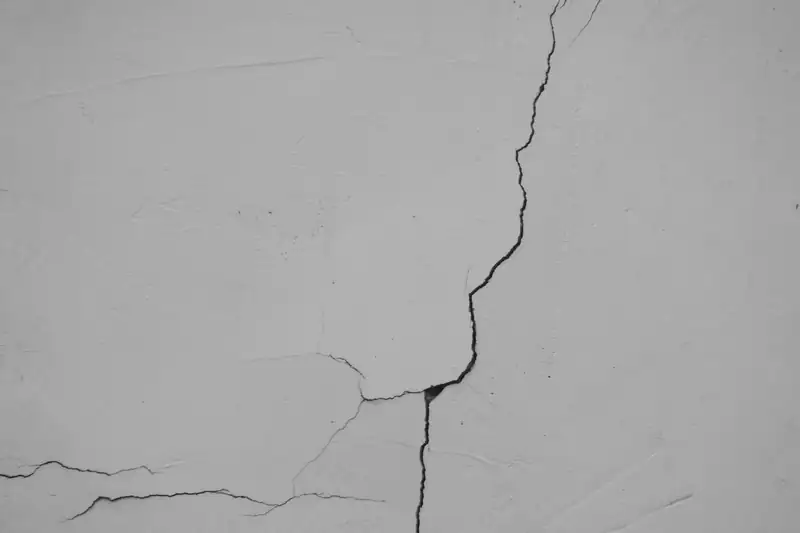 Wall cracksVertical, horizontal, diagonal and stair-step cracks in drywall, plaster, brick and stucco walls: what each…
More from the blog
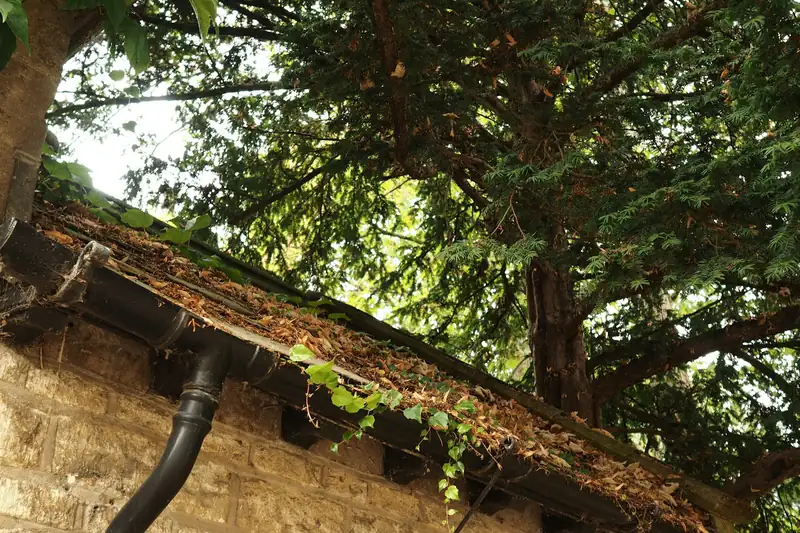 How to Prevent Foundation Cracks: A Practical ChecklistGutters, downspouts, grading and soil moisture: the upkeep that keeps foundation cracks from growing.
 Garage Floor Crack Repair: Diagnose First, Then FixHow to diagnose and repair garage floor cracks, including before an epoxy coating.
 Why Does New Concrete Crack? What's Normal and What Isn'tWhy new driveways, patios and slabs crack, and which cracks are normal versus worth a call.
Not sure about your crack? The Crack Checker asks four questions and tells you whether to monitor it, fix it or call an engineer.