5 Crack Repairs and the Products DIYers Actually Use
We read thousands of Reddit comments from homeowners and tradespeople to find which products they keep recommending for five common crack repairs, and which ones they warn against.
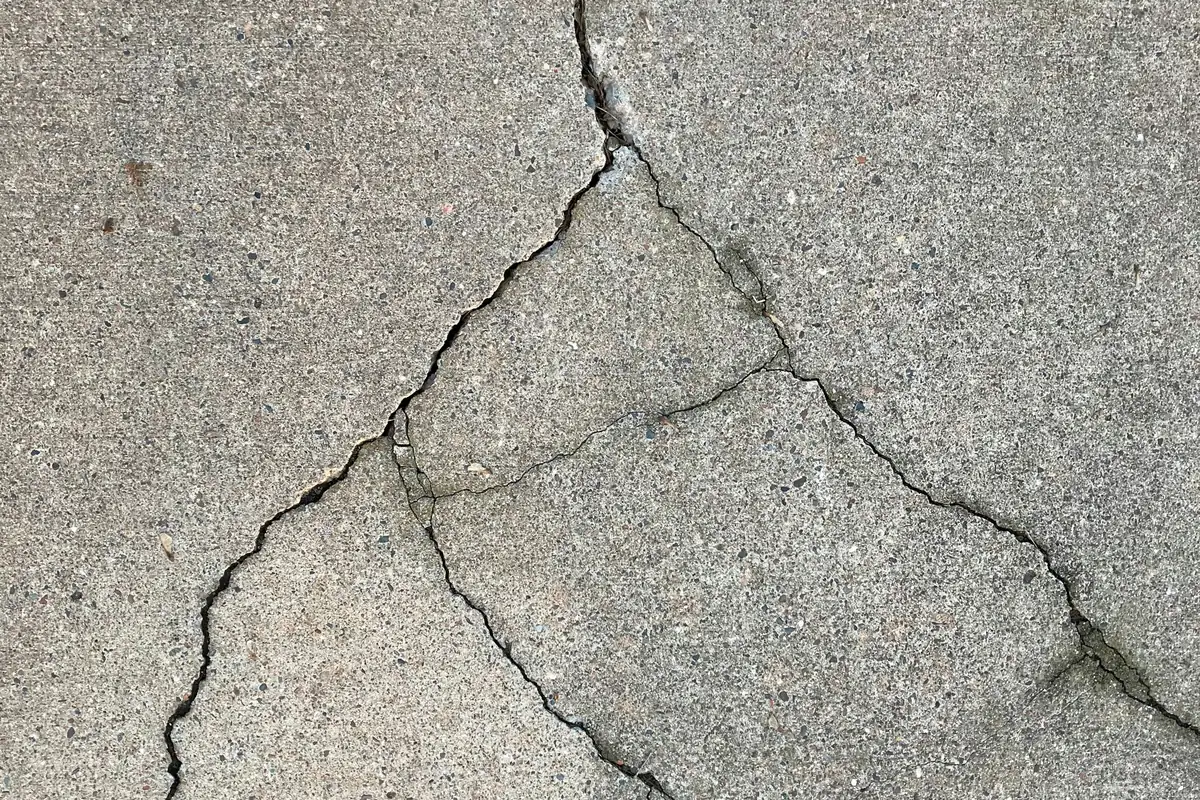
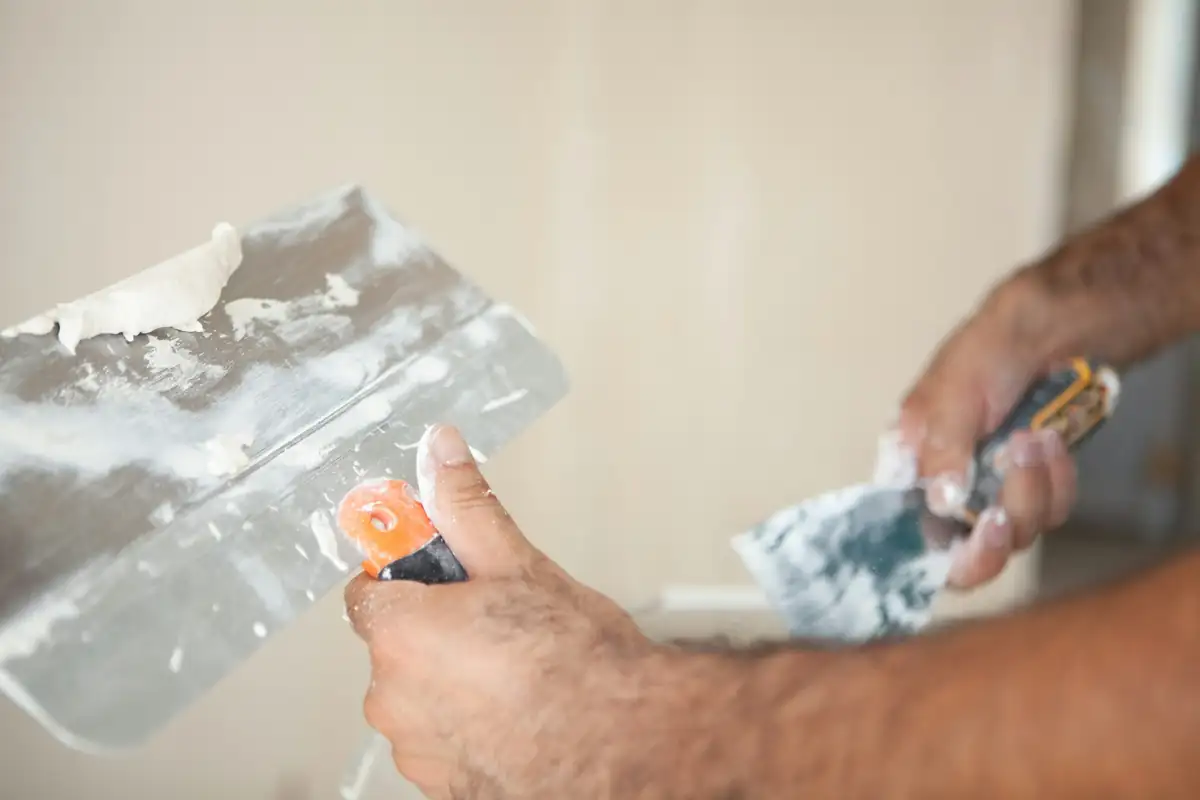
How we picked: we went through about 5,600 Reddit comments in r/drywall, r/Concrete, r/basement, r/asphalt, r/HomeImprovement, r/DIY and r/homeowners. We counted how many different people recommended each product, and left out accounts that were promoting a company. We haven't tested these products ourselves, and we don't earn anything from the Amazon links. They're plain search links so you can compare prices and current versions.
Diagnose first. A product fixes the crack, not the cause. If a crack is wider than 1/4", horizontal in a foundation wall, has one side higher than the other, or keeps growing, have a licensed structural engineer look at it before you seal anything. The Crack Checker can help you decide.
1. A leaking crack in a poured foundation wall
The fix: crack injection from inside. You glue small ports along the crack, seal the surface, then pump resin in from the bottom up so it fills the crack through the whole wall. This was the clearest consensus in the whole research: 15 different people recommended DIY polyurethane injection for leaking cracks in poured concrete walls.
"Injection works because it pushes the resin all the way through the crack from the inside to the outside top to bottom front to back." r/basement
- Polyurethane injection kit for cracks that leak or still move a little. The foam stays flexible and seals against water. The brand homeowners named most often was RadonSeal (3 people): search Amazon.
- Epoxy injection kit for dry cracks that have stopped moving, where you want to bond the wall back together (8 people). As one commenter put it, "Epoxy is best for cracks which aren't moving, polyurethane for moving cracks." Search Amazon.
Avoid: hydraulic cement smeared over the crack as a permanent fix. Four people warned that it only blocks the surface and the water finds its way around it, though others still use it as a quick plug. Our foundation crack repair guide walks through injection step by step.
2. Small cracks in a driveway, sidewalk or patio (under 1/4")
The fix: a flexible polyurethane sealant, poured or squeezed into a clean, dry crack. Outdoor cracks open and close with the seasons, so the filler has to stretch.
- Sikaflex Self-Leveling Sealant was the single most recommended product in the whole study: 29 different people. It flows into flat cracks and levels itself. Search Amazon.
- Tremco Vulkem 116 or NP1 (4 people), a non-sag polyurethane that suits steps, slopes and vertical faces where a self-leveling product would run. Search Amazon.
"Did the exact same thing with a thin syringe and sikaflex to the hairline cracks in my concrete around my pool. Has held up very well over 2 years." r/Concrete
Tips people repeated: clean the crack out completely, mask the edges with tape for a neat line, and sprinkle sand onto the wet sealant so it blends in and isn't slippery.
Avoid: silicone caulk ("please do not use silicone. Sika makes products for that") and rigid mortar or patching cement in a crack that moves, which tends to crack again. More detail in our concrete crack repair guide.
3. Wider concrete cracks (1/4" to 1/2" and up)
The fix: foam backer rod first, then sealant on top (21 people). The rod fills the depth so you only need a thin, flexible layer of sealant, which saves product and lets it stretch properly.
"Squeeze in a 1/2” backer rod along the crack to the bottom and then add Sikaflex to the top" r/Concrete
- Closed-cell foam backer rod, a little wider than the crack so it fits snugly. Search Amazon.
- Sikaflex Self-Leveling Sealant on flat surfaces, or a non-sag polyurethane on slopes (same products as above).
- Rapid Set Cement All for broken or chipped edges that need rebuilding rather than sealing. Only 3 people named it, so treat this as a lighter recommendation. Search Amazon.
Avoid: pouring self-leveling sealant into a deep crack with no backer rod ("It will just keep going until you fill the entire void under the cracks"). If the slab is sunken, heaved or broken into pieces, sealing won't fix it.
4. Drywall cracks, especially ones that keep coming back
The fix: stop the movement, then bridge the crack with tape and setting compound. This was the best-documented repair in the research, mostly from tradespeople in r/drywall. First add drywall screws on both sides if the sheet moves, then cut the crack open slightly and fill it.
- FibaFuse paperless tape (24 people) or paper tape (13 people) instead of self-adhesive mesh. Paper is still the favorite for inside corners. Search Amazon for FibaFuse, paper tape.
- Setting-type compound ("hot mud") (18 people): USG Sheetrock Easy Sand 45 or 90 for the tape and first coats, a premixed lightweight compound for the final skim. Some pros prefill the crack with Durabond, which sets very hard but is tough to sand. Search Amazon.
- For the crack where the wall meets the ceiling that opens every winter (often truss uplift): a flexible caulk like Big Stretch or DAP Dynaflex 230 (10 people). People were honest that you may need to redo it now and then. Search Amazon. A Trim-Tex vinyl expansion bead (6 people) is the more permanent option in renovations.
"Fibafuse has fixed every recurring crack issue I've thrown out at. Add a few more drywall screws." r/drywall
Avoid: self-adhesive mesh tape covered with premixed compound (9 people said it doesn't resist movement; some pros say mesh is fine if it's bedded in hot mud), and caulk or spackle alone over a cracked flat seam. If cracks keep returning wider, read our guide to cracks in walls.
5. Cracks in an asphalt driveway
The fix: a rubberized crack filler that stays flexible. For DIY, the most-mentioned option was a torch-applied rope filler; pros use hot-pour rubberized sealant (12 people).
- Pli-Stix or Crack-Stix (6 people): a rubberized rope you press into the crack and melt with a propane torch. Read the safety instructions and keep the torch moving so you don't scorch the asphalt. Search Amazon.
- Pourable jug filler such as Latex-ite (8 people for the category as a whole, but no single brand stood out) for narrow cracks. Prep matters: "you need to prep that space really well." Search Amazon.
- Aquaphalt or SealMaster Aquaset (5 people) for wider gaps and holes rather than hairline cracks. Search Amazon.
Avoid: cold patch on surface cracks (7 people: "Cold patch is only good for deep potholes and as a temporary fix, not surface level cracking."), and liquid filler alone in deep cracks; put backer rod in first. Our driveway crack repair guide covers when resurfacing makes more sense.
What the research can and can't tell you
Reddit is a good place to see what people buy and what holds up for them over a few years. It isn't a lab test. People mostly post when something worked or failed badly, conditions vary from house to house, and brand loyalty is real. We only counted each person once, and we left out comments from accounts that were selling repairs. Where only two or three people named a product, we've said so.
Always follow the product label for temperature, moisture and cure time, and check that the product is rated for your surface. For product types compared side by side, see our concrete crack filler guide.
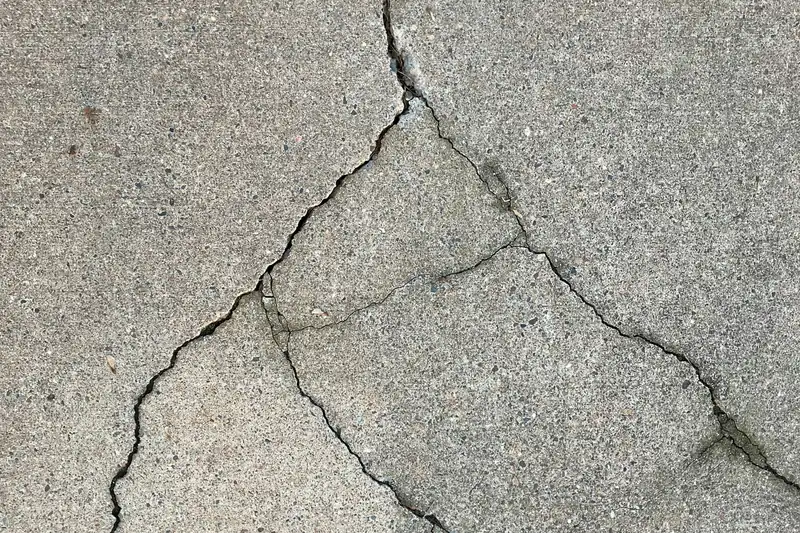 Concrete crack repairHow to repair cracks in concrete slabs, garage floors and patios: picking the right filler, steps for small…
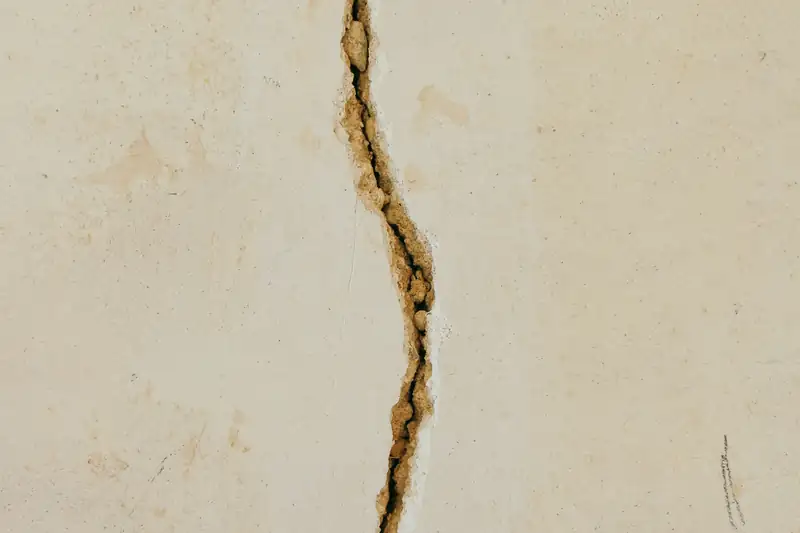 Foundation crack repairHow to repair a foundation crack: polyurethane vs. epoxy injection, a step-by-step DIY method for…
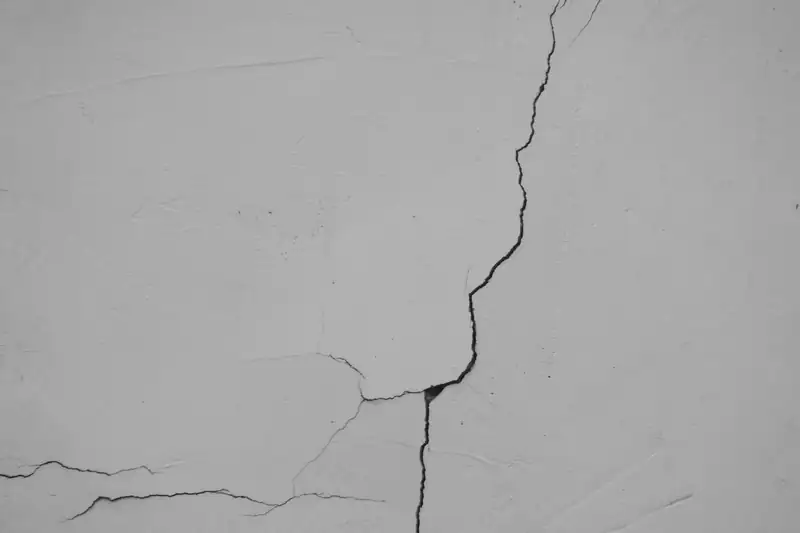 Wall cracksVertical, horizontal, diagonal and stair-step cracks in drywall, plaster, brick and stucco walls: what each…
Not sure about your crack? The Crack Checker asks four questions and tells you whether to monitor it, fix it or call an engineer.