Stair-Step Cracks in Brick and Block Walls: When to Worry
A thin stair-step crack through the mortar that isn't growing is often minor movement you can repoint. Worry when it's wider than about 1/4 inch, growing, displaced, or the wall bulges.
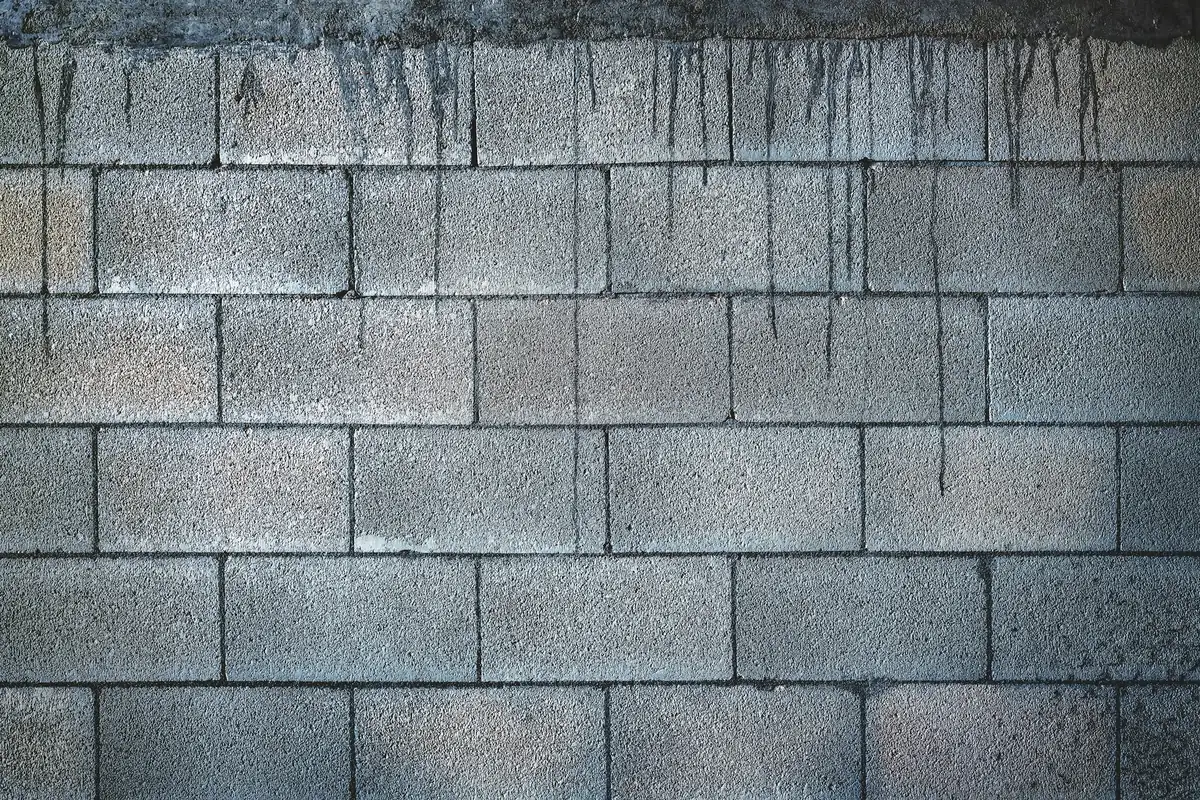

Short answer: stair-step cracks follow the mortar joints in brick and concrete block, and they usually mean part of the wall has moved. A hairline crack in the mortar that stays the same size is often old settling. Have it inspected if it's between 1/8" and 1/4" or growing, and call a structural engineer if it's wider than 1/4", one side has shifted, bricks or blocks are cracked through, or the wall bows.
Why brick and block crack in steps
Mortar is weaker than the brick or block around it. When a masonry wall is stressed, the crack takes the easy path, up a head joint, along a bed joint, up the next head joint, and so on. That's what makes the step pattern. The pattern tells you something moved. The width, direction and other signs tell you how much it matters.
It helps to know which kind of wall you're looking at:
- Brick veneer: on most newer US houses, exterior brick is a single layer tied to a wood-framed wall behind it. It holds up itself, not the house. Cracks in veneer can still point to foundation movement below, but the brick isn't carrying the roof.
- Concrete block foundation: in a basement or crawlspace, the block wall holds up the house and holds back the soil. Cracks here deserve more attention.
- Solid brick walls: in some older houses, the brick is load-bearing. Treat cracks in these like foundation cracks.
Common causes
Settlement
If one part of the foundation sinks a little more than the rest, the wall above it bends and cracks. Settlement cracks often run diagonally from a corner, or from a window or door, and are usually wider at one end. Wet or dried-out clay soil, poor drainage, leaking pipes and large trees near the house can all play a part.
Soil pressure on block walls
In a basement, wet, frozen or expanding soil pushes on the outside of the wall. In block walls this often shows up as a horizontal crack along a mortar joint, with stair-step cracks running from its ends toward the corners. That combination, especially with any inward bulge, is one of the more serious patterns you can find.
Thermal and moisture movement
Brick grows and shrinks a little with temperature and moisture. Long walls without movement joints, or brick that's locked tight against something rigid, can crack near corners and openings. These cracks tend to be thin and may open and close with the seasons.
Rusting lintels over windows and doors
A steel lintel is the angle iron that holds up the brick over a window or door. When it rusts, the rust swells and lifts the brick above it. Look for stair-step or horizontal cracks starting at the corners of an opening, rust stains, and a lintel that looks bent or flaky. This is a masonry repair, not usually a foundation problem, but it does need fixing before the brick loosens.
How to judge a stair-step crack
| What you see | What it usually means | What to do |
|---|---|---|
| Hairline, mortar only, not growing | Old settling or minor movement | Mark, date and monitor. Repoint if water gets in. |
| 1/16" to 1/8", mortar only | Common, usually not structural | Repoint or seal, and keep monitoring |
| 1/8" to 1/4", or growing | Possible ongoing movement | Have it inspected |
| Wider than 1/4" | Likely structural movement | Structural engineer |
| One side sticks out or has dropped | Displacement | Structural engineer |
| Wall bulges or leans | Pressure or loss of support | Structural engineer, soon |
A few more checks make a big difference:
- Mortar only, or through the units? Cracks that stay in the mortar are the more common, milder case. Cracks that split bricks or blocks in half mean the force was strong enough to break the masonry itself.
- Wider at one end? A crack that tapers suggests one part of the wall has rotated or dropped, which points to settlement.
- Check for bulging. Hold a long level or a taut string along the wall. A block wall that bows inward needs an engineer even if the cracks are thin.
- Look for company. Doors or windows that stick, sloping floors, and new drywall cracks inside on the same side of the house all suggest real movement.
- Monitor it. Pencil a line at each end with the date, measure the widest point, and photograph it with a ruler. Check monthly for six months.
For how these fit with other crack types, see our guides to foundation cracks and wall cracks, or run yours through the Crack Checker.
Repointing vs. structural repair
Repointing
Repointing (also called tuckpointing) means raking out the cracked mortar to a set depth and packing in new mortar. It keeps water out and makes the wall look right again. It's the right fix for thin, stable cracks, and for cracks left over from old settling that has stopped.
- Use a mortar that is no harder than the brick. Very hard mortar on older, softer brick can make the brick crack and flake instead of the joint.
- Don't smear caulk or new mortar over the surface. It traps water and doesn't fill the joint.
- If the crack reopens after repointing, the wall is still moving. Find the cause before repointing again.
Structural repair
When the wall is still moving, displaced or bowing, repointing only hides the problem. Depending on the cause, the fix might be better drainage, wall straps or anchors for a bowing block wall, a new lintel over a window, rebuilding a section of brick, or piers under a settled corner. An engineer's report tells you which one you actually need. Costs range widely, from a modest masonry repair to several thousand dollars for wall bracing; see foundation crack repair cost for typical ranges.
When to call a structural engineer
Call a licensed structural engineer if a stair-step crack is wider than about 1/4", is growing, has one side shifted out or down, runs through bricks or blocks, or comes with a bulging block wall, a horizontal crack, sticking doors or sloping floors.
An independent engineer doesn't sell repairs, so their report is about the cause, not a sale. Take it to two or three masonry or foundation repair contractors and get quotes on the same scope. If the crack is thin, mortar-only and stable, you can usually skip the engineer, repoint it, and keep an eye on it.
 Foundation cracksHow to read foundation cracks: vertical, horizontal, diagonal and stair-step cracks, width thresholds,…
 Wall cracksVertical, horizontal, diagonal and stair-step cracks in drywall, plaster, brick and stucco walls: what each…
 Horizontal foundation cracksHorizontal cracks in foundation and basement walls usually mean soil pressure. Learn the causes, warning…
More from the blog
 Who Fixes Foundation Cracks? Who to Call FirstEngineer, foundation contractor or waterproofer? Who to call about a foundation crack, and in what order.
 Pool Deck Crack Repair: Fixing Cracks in a Concrete Pool DeckWhy concrete pool decks crack, how to seal them so the repair lasts, and when it's a job for a pro.
 Cracks in a Basement Floor: What They MeanShrinkage, settlement or heave: how to read a crack in your basement floor and when it actually matters.
Not sure about your crack? The Crack Checker asks four questions and tells you whether to monitor it, fix it or call an engineer.